Friday, December 3, 2021

The Roll-up #220: Resisting colonial nonsense

This week we talk with Jordan Brant, from the Tyendinaga community, part of the Mohawk Nation, about indigenous cannabis companies.

The post The Roll-up #220: Resisting colonial nonsense appeared first on Leafly.


from Leafly https://ift.tt/31jkxti
via IFTTT

Minnesota Approves Edibles For Medical Cannabis Program

Regulators with the Minnesota Department of Health (MDH) announced on Wednesday that cannabis edibles would be available in the state beginning next year, giving medical cannabis patients a new alternative to access their medicine of choice. The agency declined, however, to add anxiety disorder as a qualifying condition for the state’s medical cannabis program.

Under a plan announced by Minnesota Commissioner of Health Jan Malcolm, cannabis edibles in the form of gummies and chews will be an approved delivery method for the state’s medical cannabis program beginning on August 1, 2022.

“Expanding delivery methods to gummies and chews will mean more options for patients who cannot tolerate current available forms of medical cannabis,” Malcolm said on Wednesday in a press release from the agency.

When it launched in 2015, Minnesota’s medical marijuana program was one of the nation’s strictest, with limits placed on the qualifying medical conditions and types of approved cannabis products. More qualifying conditions and approved product types have been added since its inception, with current permitted delivery forms including pills, vapor oil, liquids, topicals, powdered mixtures and orally dissolvable products, such as lozenges. Cannabis flower should be available to patients next year.

The health department noted that a rulemaking process to govern the packaging, labeling, safety messaging and testing of medical cannabis edibles will begin next month.

Regulators Approve Edibles, But Decline To Add Anxiety As Qualifying Condition

The state health department also announced on Wednesday that regulators had declined to add anxiety as a qualifying condition under the state’s medical cannabis program. Noting that petitioners have requested that anxiety disorder or panic disorder be added as a qualifying condition every year since 2016, the MDH said it was declining the proposal again “due to a lack of scientific evidence to support effectiveness as well as concerns expressed by health care practitioners.” 

“We received many comments from health care practitioners treating patients with anxiety disorder, and they urged us to not approve it as a qualifying medical condition,” said Malcolm. “We recognize that not everyone has equal access to therapy—which is considered the front-line treatment—but ultimately we concluded that the risk of additional harms to patients outweighed perceived benefits.”

Minnesota’s medical cannabis program had nine approved qualifying conditions when it began, a list that has grown to 17 over the last six years. Qualifying conditions include glaucoma; HIV/AIDS; Tourette syndrome; amyotrophic lateral sclerosis (ALS); inflammatory bowel disease, including Crohn’s disease; seizures, including those characteristic of epilepsy; severe and persistent muscle spasms, including those characteristic of multiple sclerosis (MS); intractable pain; post-traumatic stress disorder (PTSD), autism spectrum disorder; obstructive sleep apnea; Alzheimer’s disease; chronic pain; sickle cell disease; and chronic motor or vocal tic disorder.

Individuals with cancer or a terminal illness with a probable life expectancy of less than one year may also qualify if their condition or its treatment produces one or more symptoms including severe or chronic pain; nausea or severe vomiting; or severe wasting (cachexia).

Cannabis Flower To Be Available Next Year

Cannabis flower is also on track to be made available to Minnesota medical cannabis patients beginning next year. Under a omnibus health and human services bill passed by the legislature and signed into law by Gov. Tim Walz in May, dried cannabis flower must be made available to patients by March 1, 2022.

The change was made at the urging of cannabis advocates, who argued that the currently permitted processed forms of medical cannabis are more costly for patients. Opponents maintained that allowing smokable forms of cannabis would lead to the legalization of recreational marijuana, but state Sen. Michelle Benson said that was not the intent of the bill.

“It is not our goal to make this a path to legalization,” Benson said earlier this year. “It’s a goal to make this available to people with a medical need who cannot afford it. So, we hope we’ve reached the right balance.”

The post Minnesota Approves Edibles For Medical Cannabis Program appeared first on High Times.


from News – High Times https://ift.tt/31syy7s
via IFTTT

Taliban Claims to Partner with Foreign Firms on Medical Cannabis Production

If it sounds like a seriously bad joke, the idea has all the elements of a modern day (social media enhanced) soap opera. Namely, that the Taliban, an extremist group, which takes rather radical stands against things like women’s rights and cannabis reform, would enter an international cannabis deal. And further announce it on Twitter.

However, this is exactly what did happen last week and further on a global stage. They say that truth is stranger than fiction—and in truth it is very hard to believe that someone did not make this up.

Here are the developments so far.

Taliban Deal Announcement Via Twitter

In a move that might make some of the biggest cannabis companies in the world green with jealousy, namely in the kind of media attention the announcement generated, Taliban Press Director Qari Saeed Khosty claimed that a contract had been signed between the government and a cannabis firm called Cpharm to set up a $450 million cannabis processing centre in Afghanistan, and further that the facility would be “up and running within days.” The news ran globally, picked up by outlets including the Times of London.

This also coincided with a report on Afghanistan’s Pajhwok Afghan News Service that representatives of the company met with counter-narcotic officials at the Ministry of the Interior to discuss the production of medicines and creams. 

Cpharm Australia, the first company named in the press as being involved in the deal, subsequently rebuked the claim—via Reuters. The company is a cannabis consulting business and not a manufacturer and would not be able to raise the amount mentioned, according to reports.

Confusion Upon Confusion—And the German Twist

Even after reports began to surface that the story was in fact fake, another report surfaced, this time in the German language zine Taz.de, only this time making claims that the Taliban government was working with a German company called Cpharm and further that the deal was inked on the day the Traffic Light Coalition agreed to legalize recreational cannabis. According to Taz.de, Taliban spokesperson Khosty claimed that the agreement provides for the German company to build a factory in Afghanistan for processing medical cannabis and in exchange receive a monopoly on the national industry.

According to online company reports, the only Cpharm GmbH listed was formed in 2005, liquidated in 2009 and deleted from the company registry in 2015. There is a Cpharm.org which is based in Bonn which does claim on its website that the company has developed global cannabis projects including in Afghanistan. However when High Times reached out to a partner company associated with the same, BONGLOBAL Deutschland, headquartered in Berlin, we were told that the story was fake and further that the company CEO Werner Zimmerman was unavailable for comment and was travelling outside of the country.

The Many Strange Twists and Turns…

Whoever the company referenced in official communications by the Taliban is, and no matter the actual stage of the project (if it in fact exists), the reality is that the group has been rather famously two-faced when it comes to all things cannabis (and opium) related. Indeed, at the beginning of 2020, the Taliban issued a ban on the cultivation of cannabis in the areas of the country they controlled. After overtaking all of Afghanistan in August, the group vowed to crack down on cannabis production across the country. Just a few months later, in October, Yussef Wafa, a governor of Kandahar, said that he had been arresting both drug users and had prohibited local farmers from the cultivation of both opium and cannabis.

Farmers on the ground, however, have reported no real change in the group’s approach to cannabis (or them) in the last months since taking over the country in a military coup. Indeed this year they are reporting a bumper crop.

This in fact would be more in keeping with the history of the Taliban when it comes to all things cannabis (and indeed poppy) related. Both crops have historically been sources of income to fund the group since it operated as a U.S. funded insurgent against the Soviet occupation of the region in the 1980s.

Whoever the company is that may or may not be working on this project (if this is also actually in process), however, remains a mystery. 

No matter the corporate entity, which might be involved in the same, it will have significant difficulty transferring any profits they make from Afghanistan, starting with obtaining exemptions from the U.S. Treasury Department.

The plot thickens.

The post Taliban Claims to Partner with Foreign Firms on Medical Cannabis Production appeared first on High Times.


from News – High Times https://ift.tt/3lwUF3T
via IFTTT

Buyer’s guide for weed pipes

Glass pipes aren’t what they used to be, with individual artists, specialized brands, and mass-produced imports flooding the market. Check out Leafly’s list of the best pipes and other weed-smoking tools fit for the palm of your hand. 

The post Buyer’s guide for weed pipes appeared first on Leafly.


from Leafly https://ift.tt/3EtHKY4
via IFTTT

Colorado University Announces Groundbreaking Study on Cannabis and Exercise

Should pot really be considered a “performance-enhancing substance”? A “first-of-its-kind study” at the University of Colorado in Boulder aims to find out. 

When American sprinter Sha’Carri Richardson was denied a chance to compete at the Tokyo Olympics this summer due to testing positive for marijuana, it brought attention—and plenty of skepticism—to the reasoning behind the prohibition of cannabis in the world of competitive athletics. 

The so-called SPACE study (“Study on Physical Activity and Cannabis Effects”), announced on Monday, “will enlist more than 50 paid adult volunteers who already mix cannabis and exercise for a study involving three sessions,” the university said in a press release.

“In the first, researchers measure heart rate, have subjects answer a questionnaire and take some baseline fitness measurements. Then, participants are assigned to go to a local dispensary and pick up either a specific CBD-dominant strain or THC-dominant strain,” the announcement said. “On one follow up visit, they return, sober, to run on the treadmill for 30 minutes, answering questions every 10 minutes to assess things like their perception of the passage of time, how hard the workout feels, what they’re thinking about, and how much pain they’re in. On another visit, they do the same, only they get high before they come.”

Laurel Gibson, a PhD student in the University of Colorado’s Department of Psychology and Neuroscience and principal investigator of the study, said that the study will help fill in a gap in cannabis research. 

As the university’s announcement explained, due to a dearth of research in the area, “scientists are unsure just how Tetrahydrocannabinol (THC) and cannabidiol (CBD)—the two primary active ingredients in marijuana—influence physical activity.”

“To date, there are no human studies on the effects of legal market cannabis on the experience of exercise,” Gibson said. “That’s where we come in.”

“Cannabis is often associated with a decrease in motivation—that stereotype of couch-lock and laziness,” Gibson continued. “But at the same time, we are seeing an increasing number of anecdotal reports of people using it in combination with everything from golfing and yoga to snowboarding and running.”

The federal prohibition on weed has prompted the researchers to make certain accommodations with their subjects. 

Due to the law, which “prohibits the possession or distribution of marijuana on college campuses,” the press release explained, the subjects will consume the pot at home “before a researcher picks them up in a mobile laboratory—a white Dodge Sprinter van sometimes referred to as the ‘cannavan’—and brings them safely to the lab.”

The runners will also don a safety belt around their waist while using the treadmill, as an extra precautionary measure.

Angela Bryan, a professor of psychology and neuroscience at the University of Colorado who is serving as the faculty advisor on the study, said that the research could yield a breakthrough for older individuals for whom exercise is too painful.

“If cannabis could ease pain and inflammation, helping older adults to be more active, that could be a real benefit,” Bryan said.

Gibson, meanwhile, said that the research could shed light on the link between cannabis use and the “runner’s high” that has been romanticized by joggers the world over.

“It is possible that exogenous cannabinoids like THC or CBD might activate the endocannabinoid system in a way that mimics the runner’s high,” Gibson said.

Richardson failed a drug test less than a month before the Olympics kicked off in Tokyo, keeping her out of the summer games. Marijuana is banned by the World Anti-Doping Agency, as well as the United States Anti-Doping Agency and the United States Olympic & Paralympic Committee.

In September, the World Anti-Doping Agency said that it would reconsider its ban on cannabis. 

The USADA has said that pot is banned both because it could present a safety risk to athletes, and that it could potentially enhance performance. 

The latter explanation was widely mocked, including by Democratic Congressman Steve Cohen, who came to Richardson’s defense.

“Marijuana is not a performance-enhancing drug unless you’re entered in the Coney Island hot dog eating contest on the Fourth of July,” Cohen said at the time. “To take her right to appear, her dream, away from her, is absurd.”

The post Colorado University Announces Groundbreaking Study on Cannabis and Exercise appeared first on High Times.


from News – High Times https://ift.tt/3omKX66
via IFTTT

The path to Indigenous Sovereignty isn’t through legal weed

These Indigenous entrepreneurs don't want to work in legal weed. Here's why.

The post The path to Indigenous Sovereignty isn’t through legal weed appeared first on Leafly.


from Leafly https://ift.tt/3dfi7On
via IFTTT

Cannabis Wellness Holiday Gift Guide

Cannabis is the single best ingredient to integrate into your daily self-care routine. Looking for a tincture that actually provides results? Maybe a little DIY lotion and bath salts spa treatment is more your jam, or a sleep aid that will actually help you get much needed rest. High Times picked out some of the best wellness items to improve day-to-day life for either yourself or someone you’re gifting to this holiday.

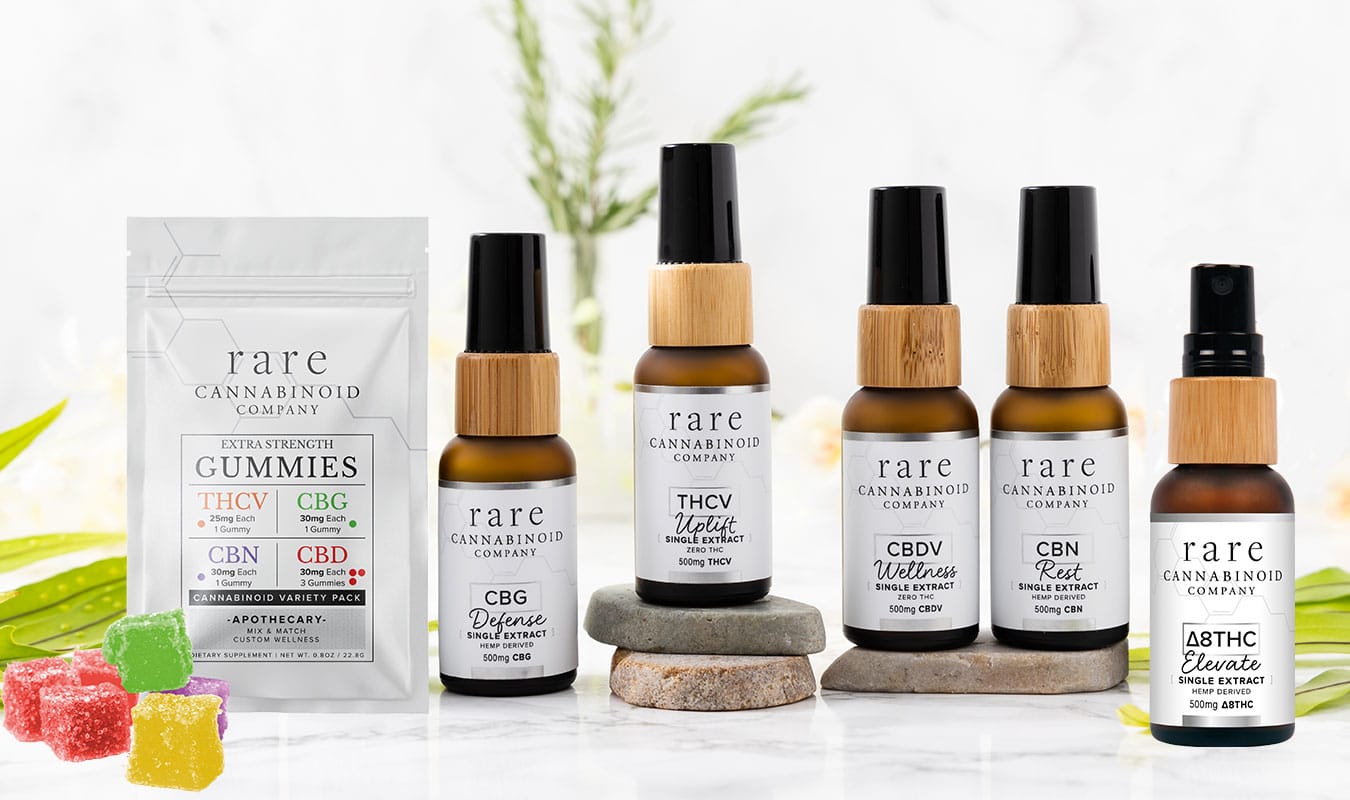
Photo Courtesy of Rare Cannabinoid Company

Rare Cannabinoid Company’s Pure THCV, CBN, CBG, CBD Gummies

Experience the world’s first pure high potency THCV, CBN, CBG and CBD gummies this holiday season. Based on Rare Cannabinoid Company’s apothecary concept, you can mix and match them with each other or the brand’s pure Delta-8-THC oil for an enhanced high.

THCV boosts energy and suppresses appetite, CBN will make you sleepy, and CBG is good for pain and inflammation. Gummies Variety Bundles make the perfect stocking stuffers and let you try all of the gummies! Each packet contains: one 25mg THCV gummy, one 30mg CBN gummy, one 30mg CBG gummy, and three 30mg CBD gummies. They are sold in bundles of 3 packets for $59.85. You’ll receive one FREE Gummies Variety Packet with any $50 purchase through New Year’s Eve! Rare Cannabinoid Company also sells gummies by the bottle and tinctures of pure Delta-8-THC, THCV, CBDV, CBDA, CBC, CBG, CBN, extra strength 3000mg CBD, terpene-only oils, and 1:1 blends with full spectrum Rare Hawaiian CBD. Buy gummies and rare cannabinoids here.

Price: $59-$109

www.rarecannabinoidco.com

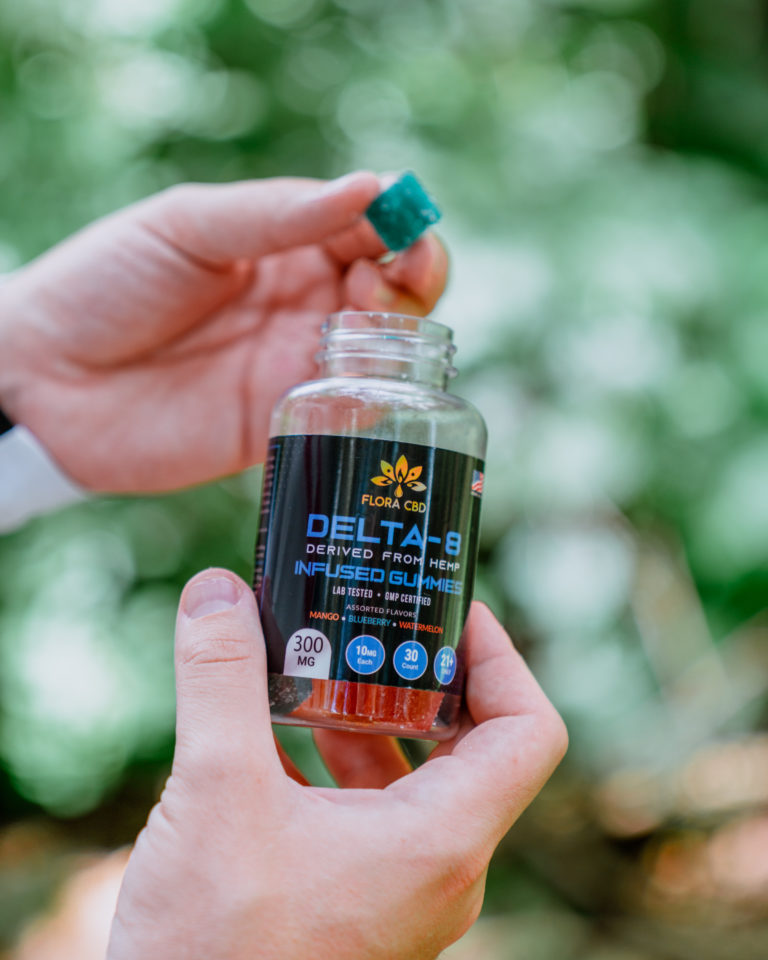
Photo Courtesy of Flora CBD

Flora CBD—CBDips

Kick off your New Year resolutions to quit tobacco with Flora’s CBDips. Our signature CBD dip is made with non-GMO full-spectrum hemp flower for a healthier, tobacco-free dip alternative. Each can of our dip contains long cut CBD-rich flowers, providing users with a convenient and fast-acting consumption method. Available in a variety of naturally-derived flavors, including Southern Peach and Bourbon, our non-tobacco dip delivers all the natural benefits of CBD while stimulating all your senses. Also, you can buy CBDIP Bundle which includes packs with different flavors. Visit https://gotflora.com to learn more.

Price: $11.99

gotflora.com

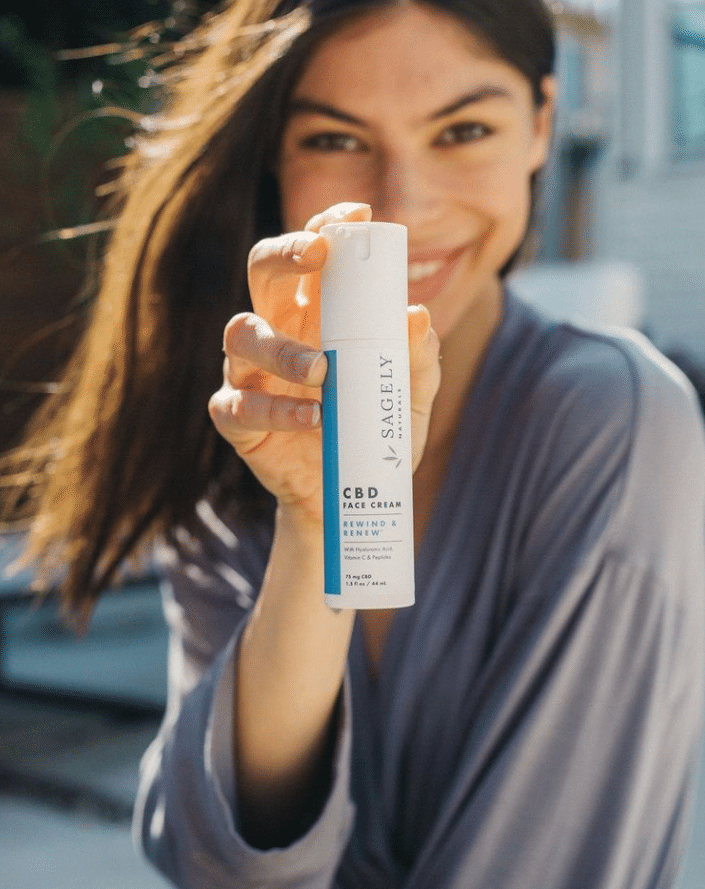
Photo Courtesy of Sagely Naturals

Sagely Naturals Rewind & Renew CBD Face Cream

Sagely Naturals’ Rewind & Renew CBD Face Cream is what everyone needs to have in their daily skincare routine. It contains a nutrient-rich formula with ingredients such as CBD with Hyaluronic Acid (100mg), Vitamin C and peptides to nourish your skin and keep it looking healthy. Sagely Naturals also other facial products in their Rewind & Renew line, including an eye cream and face serum, alongside a host of other CBD products focused on Relief & Recovery, Calm & Centered and Drift & Dream.

Price: $34.99

www.sagelynaturals.com

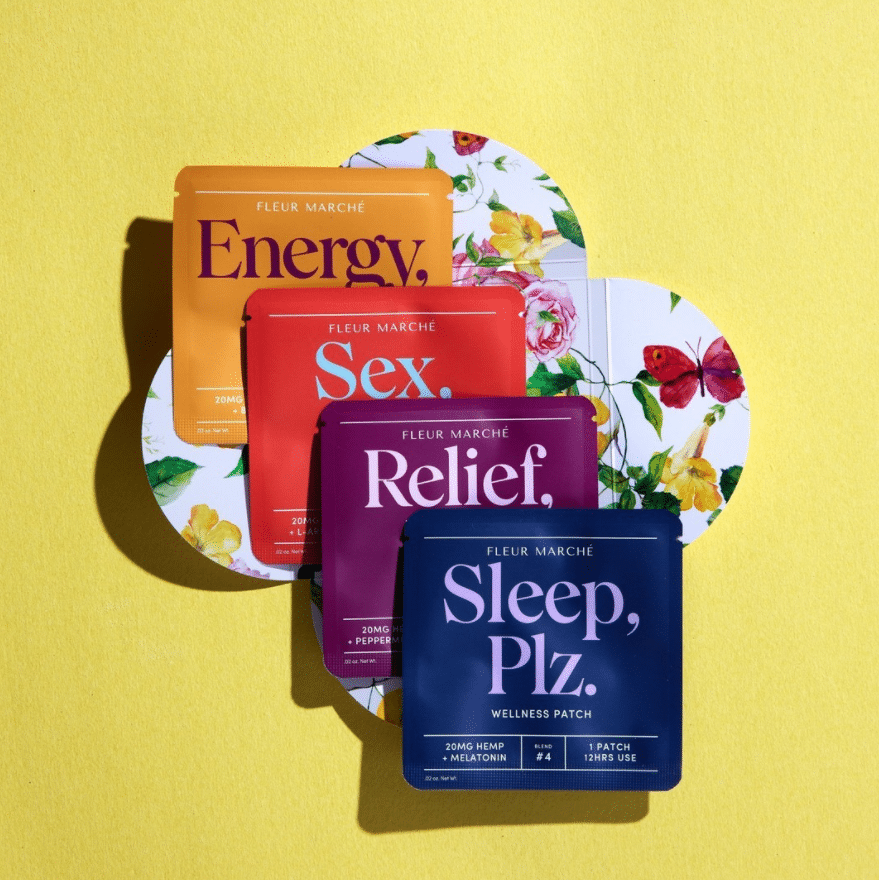
Photo Courtesy of Fleur Marché

Fleur Marché Wellness Patches

The best part about transdermal patches are that you can simply apply them directly to the skin and completely forget that they’re there. Fleur Marché wellness patches are loaded with great benefits in four different CBD offerings: “Energy, Plz” (with B12), “Sex, Plz” (with L-Arginine, Maca and Tribulus), “Sleep, Plz” (with melatonin) and “Relief, Plz” (with peppermint oil). Each patch contains 20mg hemp CBD per serving, and it lasts for up to 12 hours. Plus they’re the perfect size for a stocking stuffer too.

Price: $6

fleurmarche.com

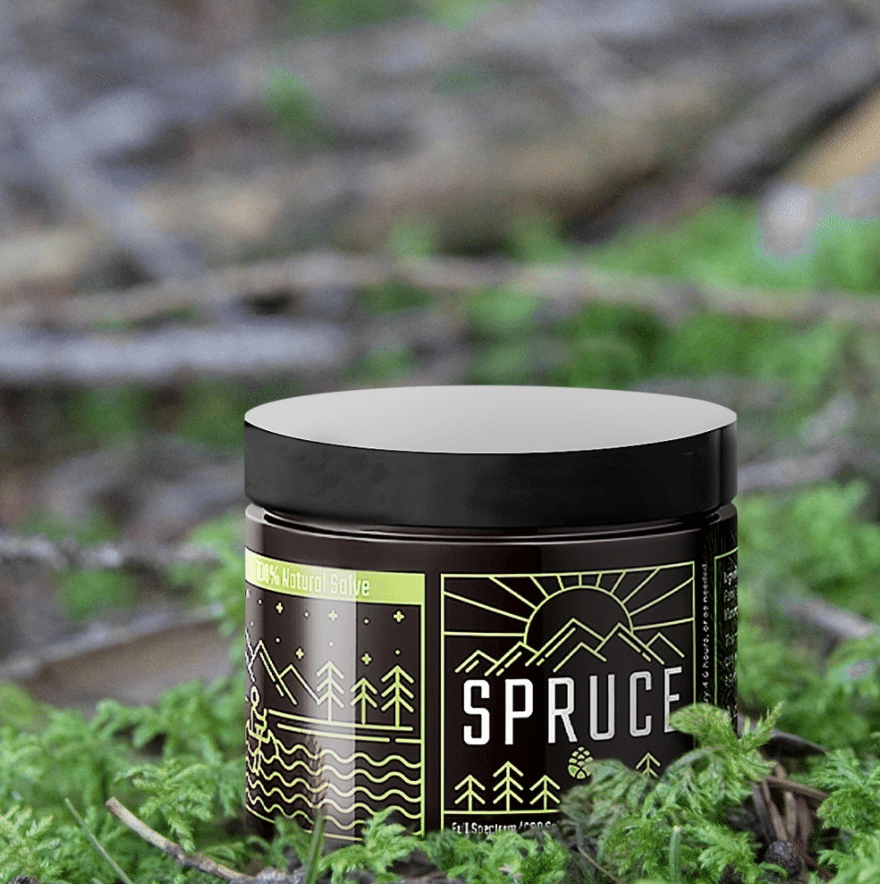
Photo Courtesy of Spruce

Spruce CBD Salve

Founded in 2018 and based in North Carolina, Spruce’s unique nature-packaging honors nature in a beautiful way, but its products are even more impressive. The company’s CBD salve is strong, containing 1,000mg full spectrum CBD in an 0.87 ounce jar, and is perfect for those seeking a potent topical with natural ingredients such as olive oil, shea butter, beeswax and coconut MCT oil.

Price: $89

takespruce.com

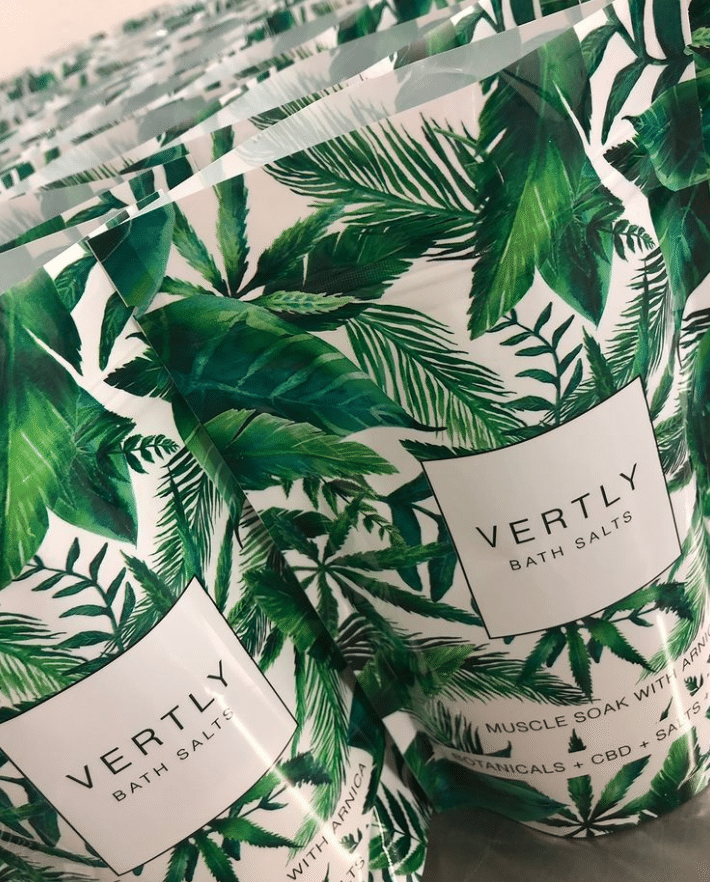
Photo Courtesy of Vertly

Vertly Bath Salts

Few gifts are as refreshing as a high-quality bath salt to use in a much needed bath. With the addition of hemp extracts grown in Colorado to reduce inflammation and tension in the body, Vertly’s Bath Salts are the way to go. This particular mixture contains arnica flower, Epsom salts, dead sea salts, magnesium, MSM, lavender and clary sage to work a variety of wonders in the realm of soreness, exfoliation and circulation.

Price: $24-$65

vertlybalm.com

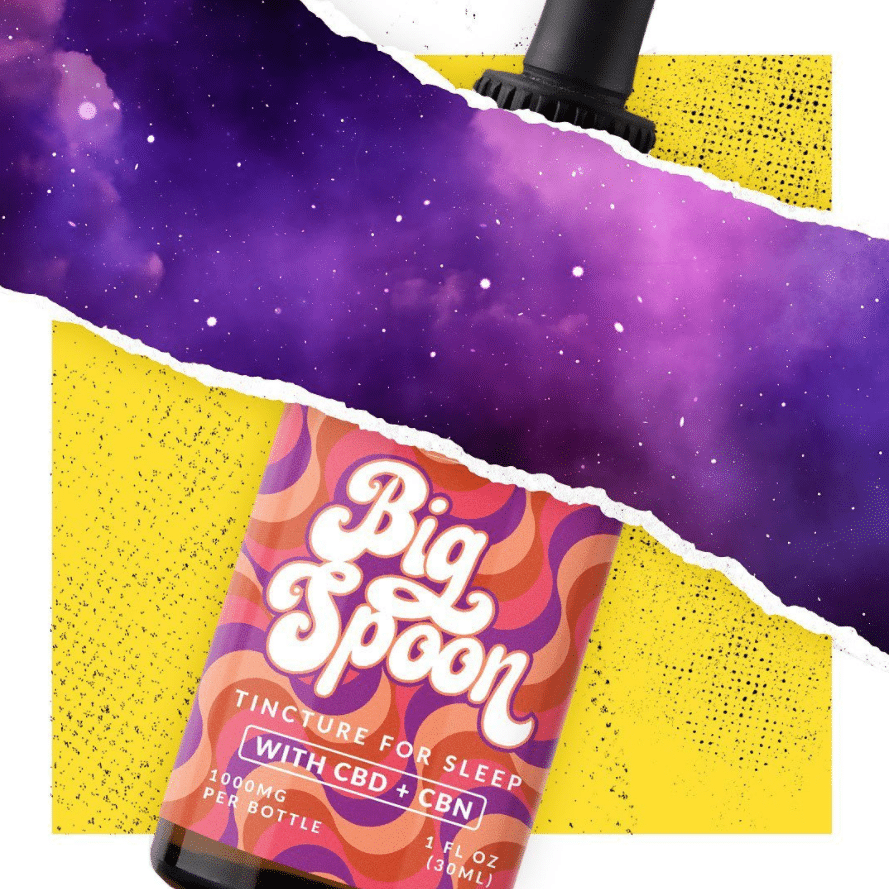
Photo Courtesy of Sunday Scaries

Sunday Scaries Big Spoon CBD Sleep Oil

Let’s face it—we ALL get the Sunday Scaries from time to time, if not on a weekly basis. Combat that stress and anxiety with a good night of sleep using Sunday Scaries’ Big Spoon CBD Sleep Oil. With its 750mg of CBD and CBN, and added vanilla cream scent, it will have you experiencing the Zzz’s in no time. All it takes is ½ of a dropper to calm your thoughts about work in the morning and lull yourself into a comfortable sleep for the night.

Price: $59

sundayscaries.com

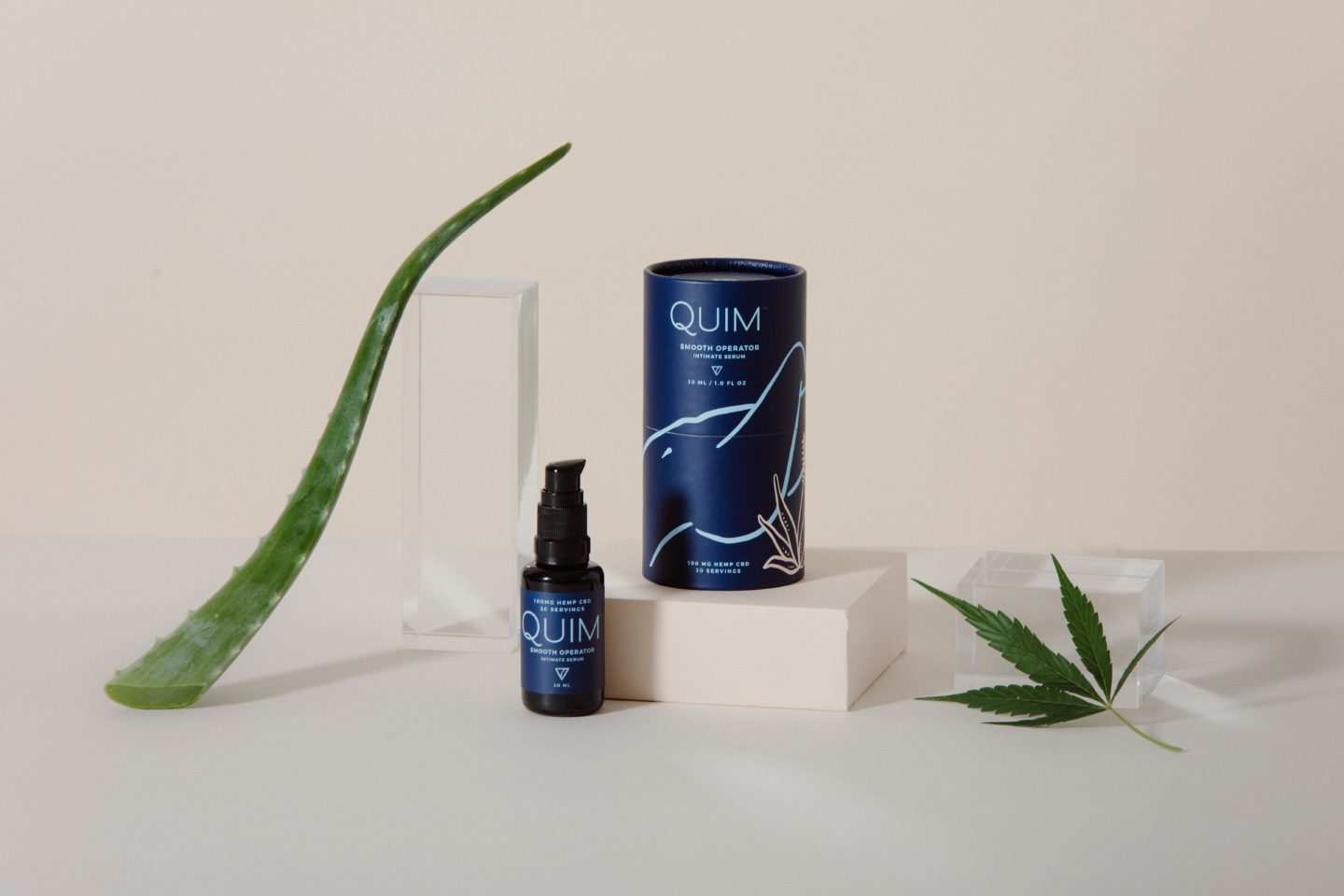
Photo Courtesy of Quim

Quim Smooth Operator

Sexual wellness isn’t something to be overlooked in a world that’s embracing daily self-care rituals. Quim is one of the strongest proponents for healthy sex lives for everyone: “A self-care line for humans with vaginas and humans without vaginas who love vaginas™” they write in huge lettering on their website. That being said, their products are highly praised for their effectiveness, such as the brand’s Smooth Operator™, which contains CBD and a variety of other herbal ingredients that promote blood flow, pelvic relaxation and a reduction in inflammation and pain.
Price: $49

itsquim.com

Photo Courtesy of Mana Artisan Botanics

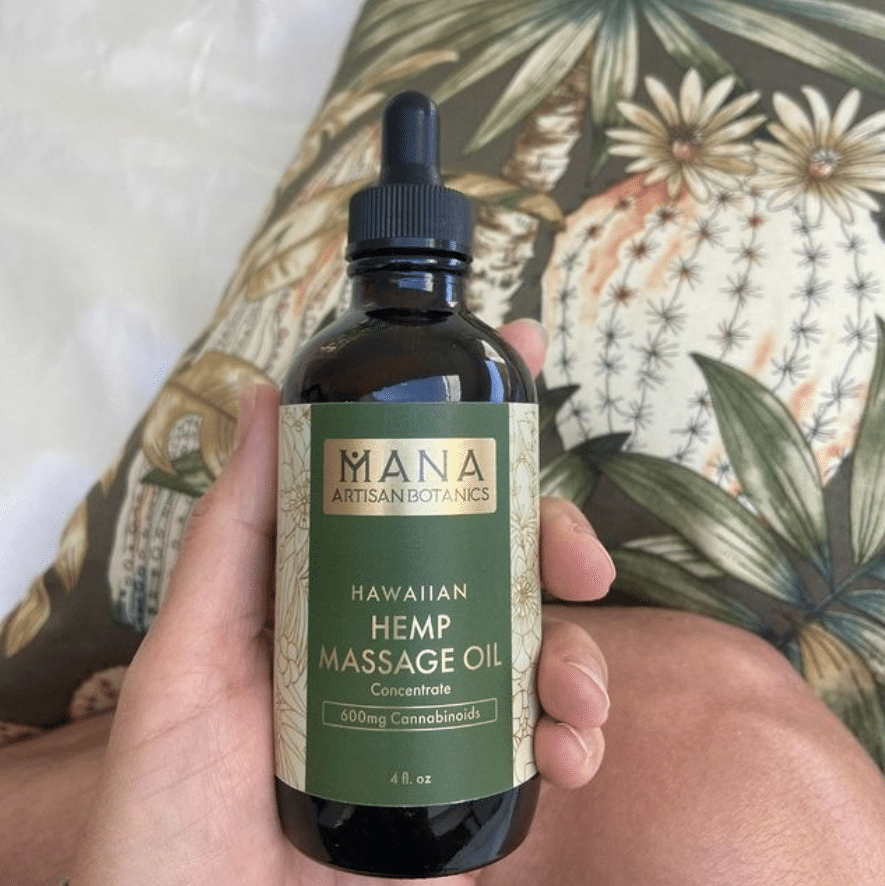
Mana Artisan Botanics Hawaiian Hemp Massage Oil

It’s always refreshing to find a brand that isn’t just focused on sales, but also the sustainability of their product production, as well as conscious of their environmental footprint and the well being of their customers. Hawaii-based Mana Artisan Botanics embraces all of this and more, with a variety of hemp products. One that might be ideal for a gift this year is their Hawaiian Hemp Massage Oil, which combines coconut MCT oil with organic hemp and vitamin E for a truly relaxing experience.

Price: $80

manabotanics.com

Photo Courtesy of Moon Mother

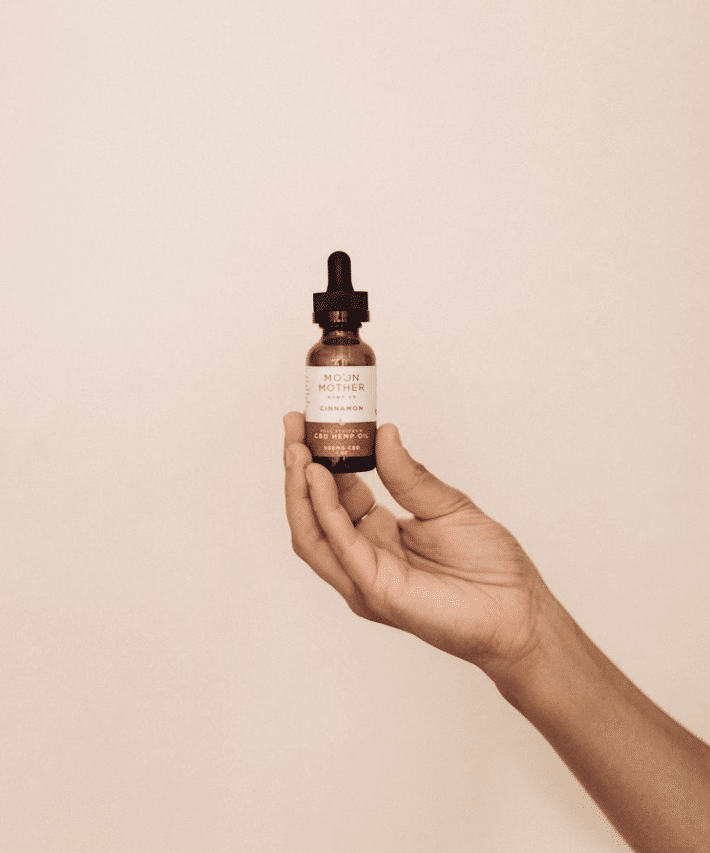
Moon Mother Cinnamon Tincture

It’s ideal to have a full spectrum CBD tincture on hand at all times, such as like Moon Mother’s Cinnamon Tincture. Infused with hemp grown in Colorado and the highest quality cinnamon flavor, this delightful tincture is the perfect stocking stuffer in the amounts of 500mg, 1,000mg, 1,500mg or 2,500mg, depending on your personal needs.

Price: $50-$180

www.moonmotherhemp.com

The post Cannabis Wellness Holiday Gift Guide appeared first on High Times.


from News – High Times https://ift.tt/3rwgbcG
via IFTTT