Monday, December 6, 2021

Colorado Senator Says Lack of Cannabis Banking a ‘Recipe for Disaster’

Democratic Sen. John Hickenlooper of Colorado last week called for the passage of the SAFE Banking Act, saying that the nation’s refusal to allow cannabis businesses access to traditional financial services is a “recipe for disaster.”

While addressing a virtual policy conference last Wednesday, Colorado Sen. Hickenlooper said that federal regulations that deny banking services to state-licensed cannabis businesses are a magnet for criminal activity and are contrary to the goals of marijuana legalization.

“If you really wanted to create an industry that’s dependent on gangs and cartels, make it all cash,” Hickenlooper said at the Regulating Cannabis event hosted by The Hill. “It’s almost like the system that is there now is oriented towards promoting things that we don’t want.”

Under current federal regulations, banks are subject to penalties under money laundering and other laws for servicing cannabis businesses, even those legal under state law, forcing the licensed cannabis industry to operate in a risky environment heavy in cash. Hickenlooper, who served as Colorado’s governor when the state’s voters legalized recreational cannabis in 2012, said the cash-only system that dominates the cannabis economy is “a recipe for disaster” and a “blueprint for catastrophe.”

“If you de-schedule it, banks can start banking it so it’s no longer a cash business,” Hickenlooper said. “There are multiple negative consequences of having it be a cash business. One is that businesses themselves can’t get loans.”

Colorado Supports the Pending SAFE Banking Act

Under pending federal legislation, the Secure and Fair Enforcement (SAFE) Banking Act, federal banking regulators would be prohibited from penalizing banks that choose to serve cannabis firms doing business in compliance with state law. The legislation was initially introduced in the House in 2013 by Democratic Rep. Ed Perlmutter of Colorado, who has reintroduced the bill each subsequent congressional cycle.

Hickenlooper noted on Wednesday that the SAFE Banking Act would not “oppose the will” of states that have not yet legalized cannabis in any form, adding that the reform would benefit the states that have instituted cannabis policy reforms.

“In terms of banking, I don’t think there’s any benefit to penalizing those states where their citizens have voted to legalize,” he said.

In April, the SAFE Banking Act was approved as a stand-alone bill by the House of Representatives. And in September, the House approved the legislation as part of a must-pass defense spending authorization bill. The House and Senate are currently working toward a consensus on the defense spending bill, leaving the fate of the cannabis banking provisions up in the air.

Bill Has Bipartisan Support

The SAFE Banking Act has bipartisan support in Congress, passing in the Democratic-majority House in May by a vote of 321 to 10 with the support of 106 Republicans, including Rep. Nancy Mace of South Carolina. Last month, Mace unveiled a separate bill, the States Reform Act, which would legalize and regulate marijuana at the federal level. 

“There’s nothing really controversial about cannabis except for here in Washington where you have some members who are afraid of it, or afraid to touch it,” Mace said last Wednesday. “It shouldn’t be that way.”

Mace’s bill serves as an alternative to the MORE Act, a comprehensive proposal advanced by Democrats that would also legalize cannabis at the federal level. The legislation also includes wide-reaching social equity provisions including expungement for federal cannabis crimes. The MORE Act would levy higher taxes than those in Mace’s bill, with revenue raised dedicated to investments in communities harmed by the War on Drugs.

Mace agreed with Hickenlooper that cannabis banking regulations must be changed, saying that the current system offers an incentive to criminals while putting the owners of legal businesses at risk.

“We’re funding the cartels by having all-cash businesses,” Mace said. “It’s dangerous.”

The SAFE Banking Act also has broad support from governors of jurisdictions that have legalized marijuana. In November, a bipartisan group of 24 governors from states and territories with legal cannabis sent a letter to congressional leaders calling for the passage of the legislation. 

The governors noted in the letter that while cannabis has been legalized in some form by a majority of U.S. states, the continued lack of traditional banking services and large amounts of cash throughout the supply chain leave legal marijuana businesses at increased risk of robbery and other crime. Additionally, the lack of access to loans inhibits the growth of the booming industry.

“The SAFE Banking Amendment will remedy these harms and help keep communities in our states and territories safe by allowing legitimate and legal cannabis companies to access banking services,” the governors wrote. 

The post Colorado Senator Says Lack of Cannabis Banking a ‘Recipe for Disaster’ appeared first on High Times.


from News – High Times https://ift.tt/3EuHEPP
via IFTTT

Costa Rica’s Constitutional Court Approves Cannabis Legalization Bill

Costa Rica is one step closer to legalizing its domestic cannabis industry. On December 1, the country’s constitutional court, known as “Sala IV,” found nothing in the legislation that was originally passed on October 21 that would prevent it from becoming law. The bill was initially approved by the Legislative Assembly with a vote of 33 votes for and 13 against.

This is a big step. Costa Rica’s law project 21.388, entitled the “Law on Cannabis for medicinal and therapeutic use and Hemp for industrial use” was first approved in late October by the legislative assembly. Rather than advancing directly to a second vote at this time, however, a group of 10 deputies sent the pending statute to the Constitutional Chamber of the Supreme Court for a legal review, mainly to stall its passage.

Just the day before the bill was initially passed, on October 20, Panama, the country’s neighbour to the south, finally legalized medical cannabis too. It is very likely that this move prompted Costa Rica’s brief sidestep.

What Happens Next in Costa Rica

Legislator Zoila Volio has already asked President Carlos Alvarado to convene the initiative to the Legislative Assembly. The Minister of the Presidency, Geannina Dinarte has already said publicly that the bill would be summoned to an “extraordinary session” for a vote now that the court ruling has been passed down.

Reform has been pending here for two years.

As of August of this year, only one company has been granted the right to study the viability of cannabis.

A Costa Rica Cannabis Tourist Trade in the Offing?

The average tourist who has spent any time in Costa Rica knows that cannabis is essentially decriminalized and easily obtainable. While the production of cannabis products remains illegal, personal possession has been effectively decriminalized. That said, the actual Narcotic Drug law of Costa Rica calls for a prison sentence of eight to 15 years for possession along with cultivation and manufacturing.

This central American country of just under five million people and bordered by Nicaragua to the north and Panama to the South, has long been a destination for those who sought a life off the beaten path as well as increasingly American retirees who are drawn both by the weather and the overall quality of life.

The country abolished its army in 1948. As of 1949, all budgeted funds that would have been allocated to the country’s defense were rerouted to providing health care services and education. Costa Rica, as a result, is known for its stable democracy and progressive social policies.

A regulated medical cannabis industry here would not only provide jobs and income for the locals, but it would also turn the country into one of the most interesting medical cannabis vacation countries in the world.

Costa Rica is bounded by both the Caribbean and Pacific. Lush rainforests cover much of the country. It is already the most popular destination in Central America, visited by people who are drawn both by the biodiversity of the environment and those on the hunt for an exotic ecotourism experience.

Add cannabis to the mix, and the results are likely to be very positive.

Indeed, the opportunities for the ecological development of the sector may get a boost from cultivation in this part of the world.

Sustainable Cannabis

The discussion about what constitutes “sustainable” practices in this industry are an ongoing debate. There are many ways to approach this idea—from efficient grow and processing operations to labor relations.

However, when competing in a global medical market, countries must produce cannabis to a much higher, pharmaceutical standard (GMP) than most other agricultural crops are cultivated under. Such crops must be produced indoors. As a result, at least from a real estate perspective, the development of the industry in places like Central and South America might develop in highly destructive ways. See Brazil for starters.

In Costa Rica, with its liberal approach to rainforest preservation, however, this model might be given a chance to thrive, and further in a non-first world environment.

No matter the difficulties of tomorrow as the industry develops, one thing is very clear with the forward motion of Costa Rica’s legalization of cannabis. Another “green domino” has fallen.

The post Costa Rica’s Constitutional Court Approves Cannabis Legalization Bill appeared first on High Times.


from News – High Times https://ift.tt/3osv0ev
via IFTTT

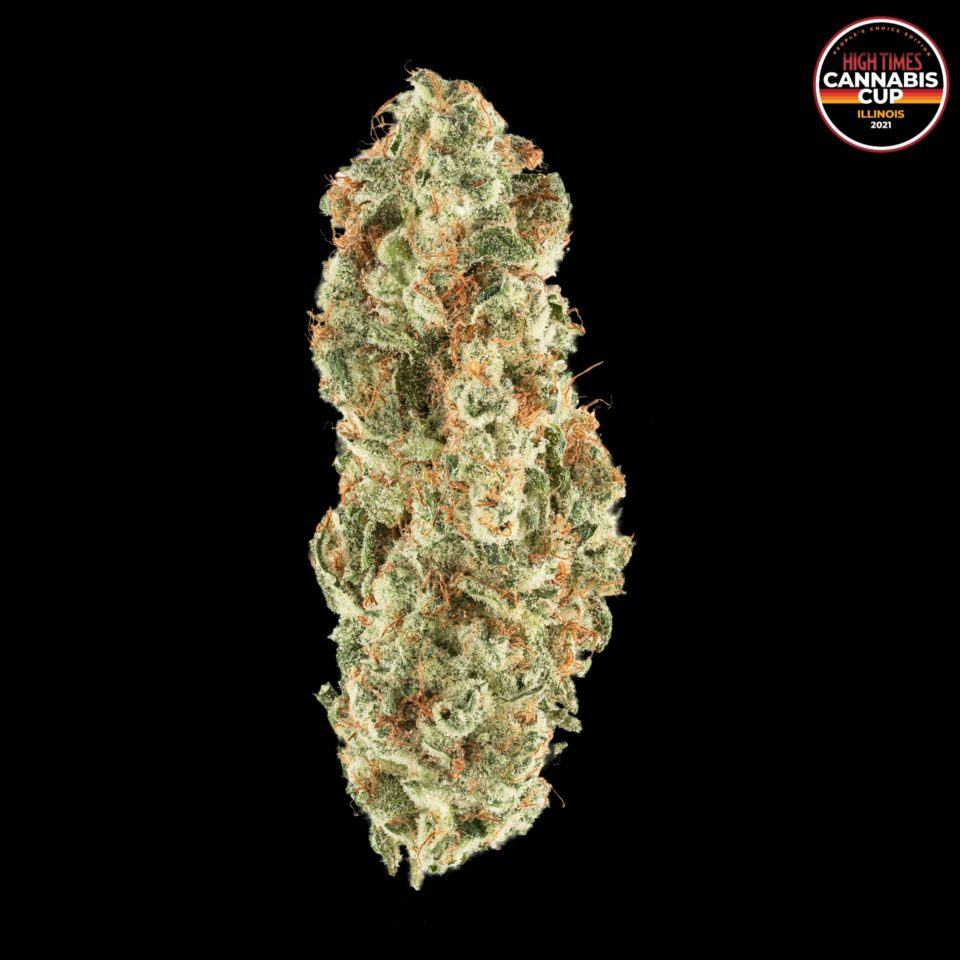
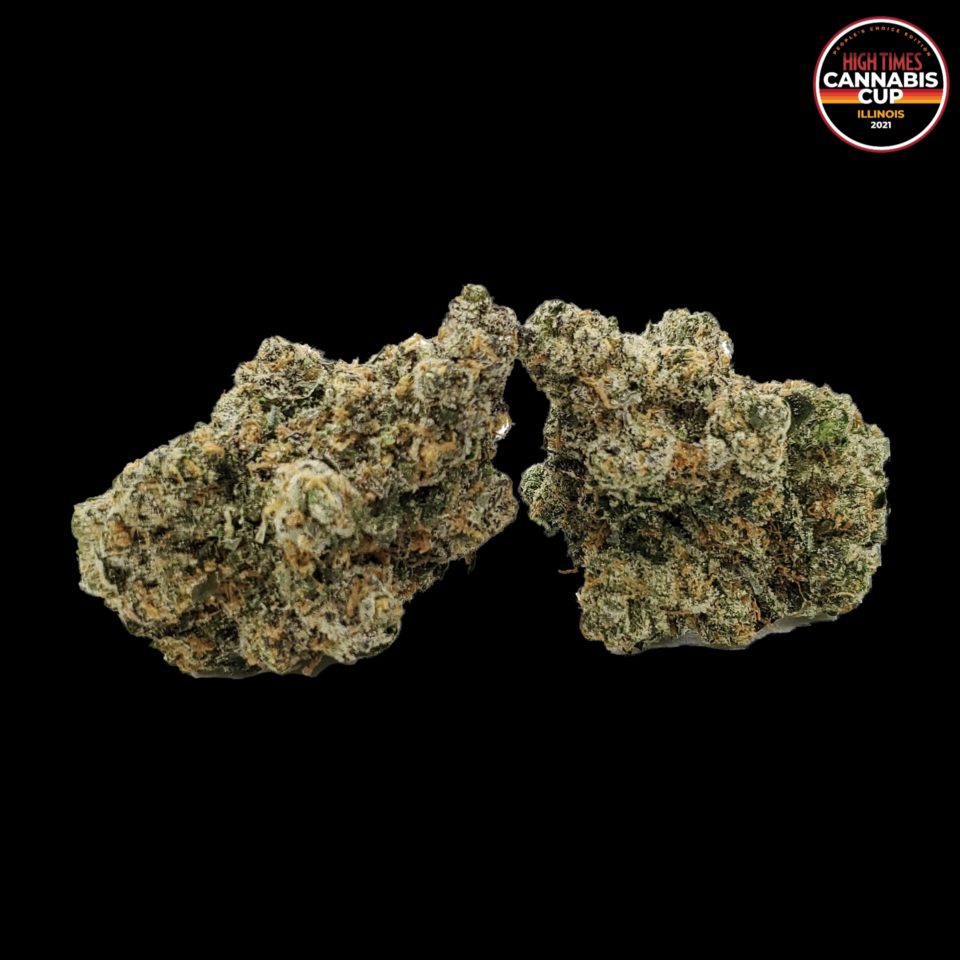
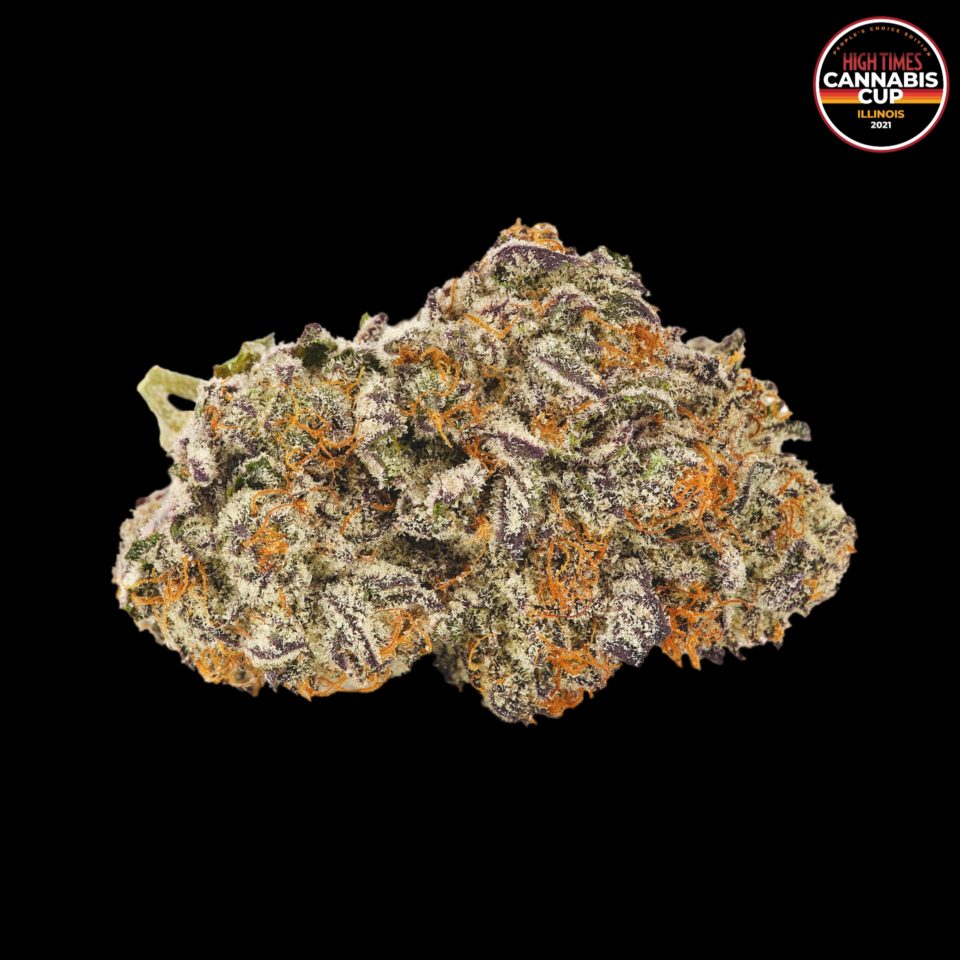
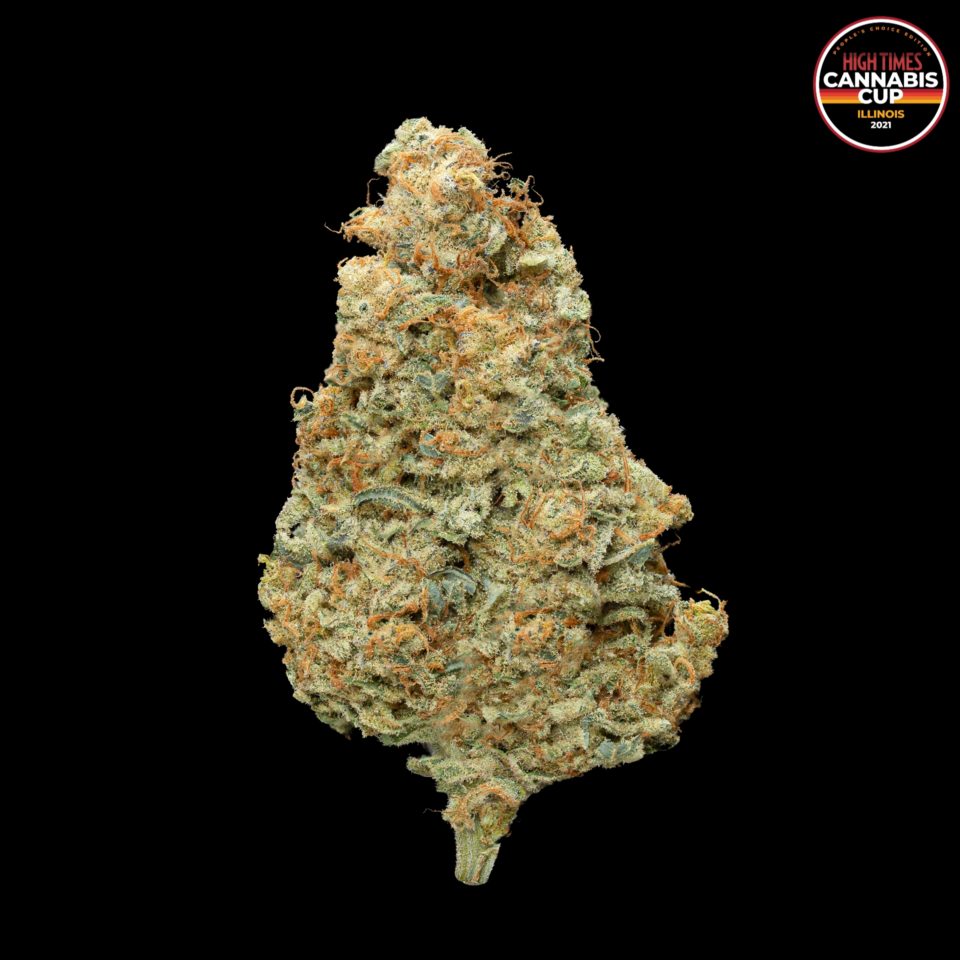
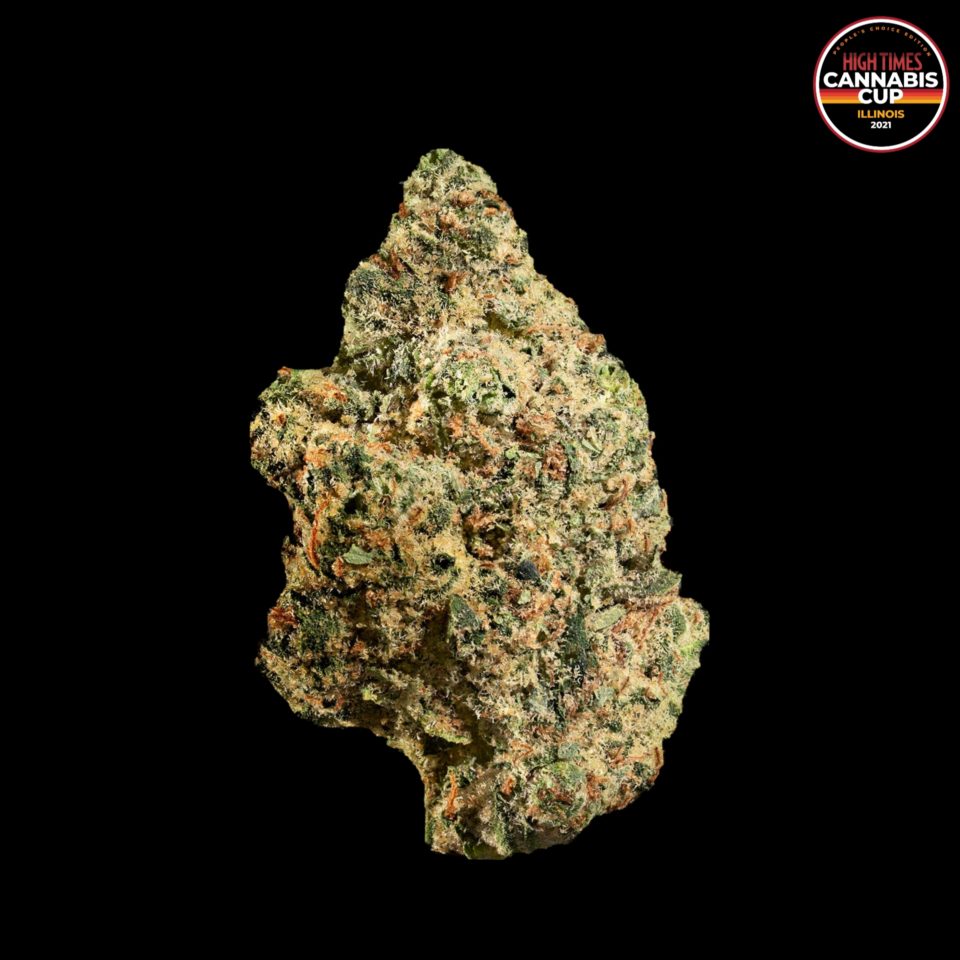
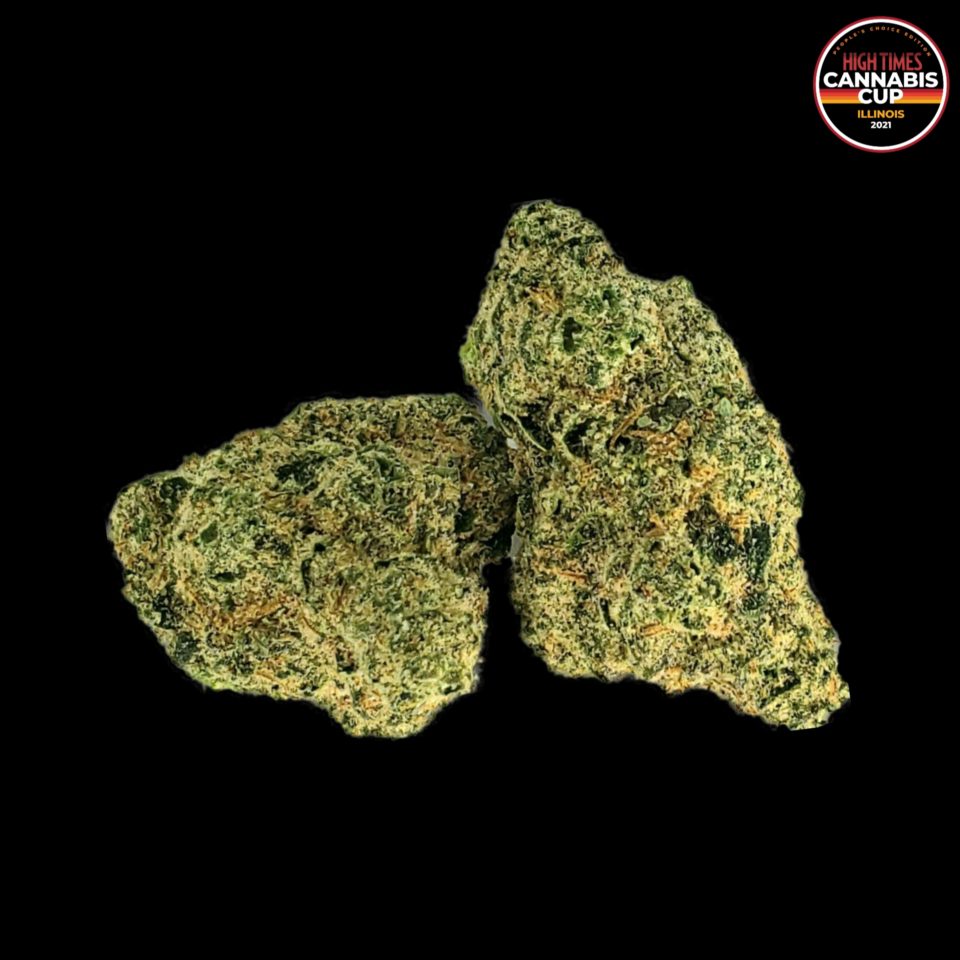
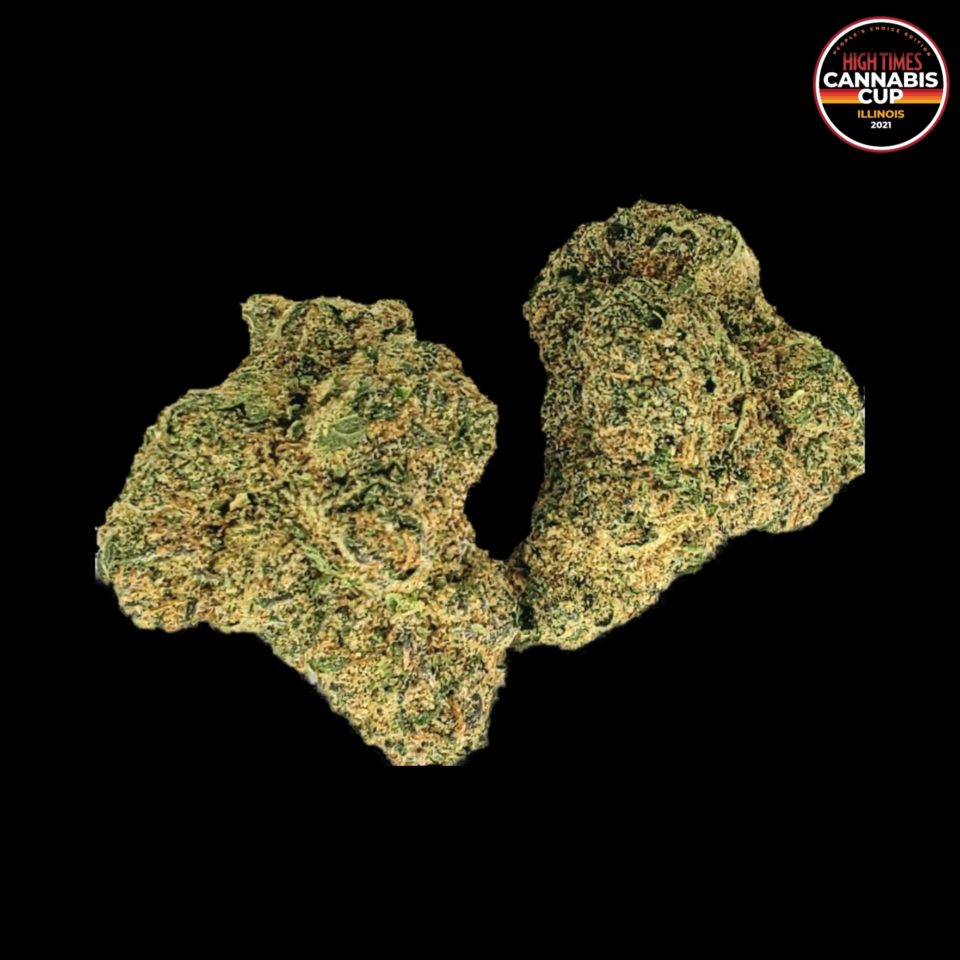
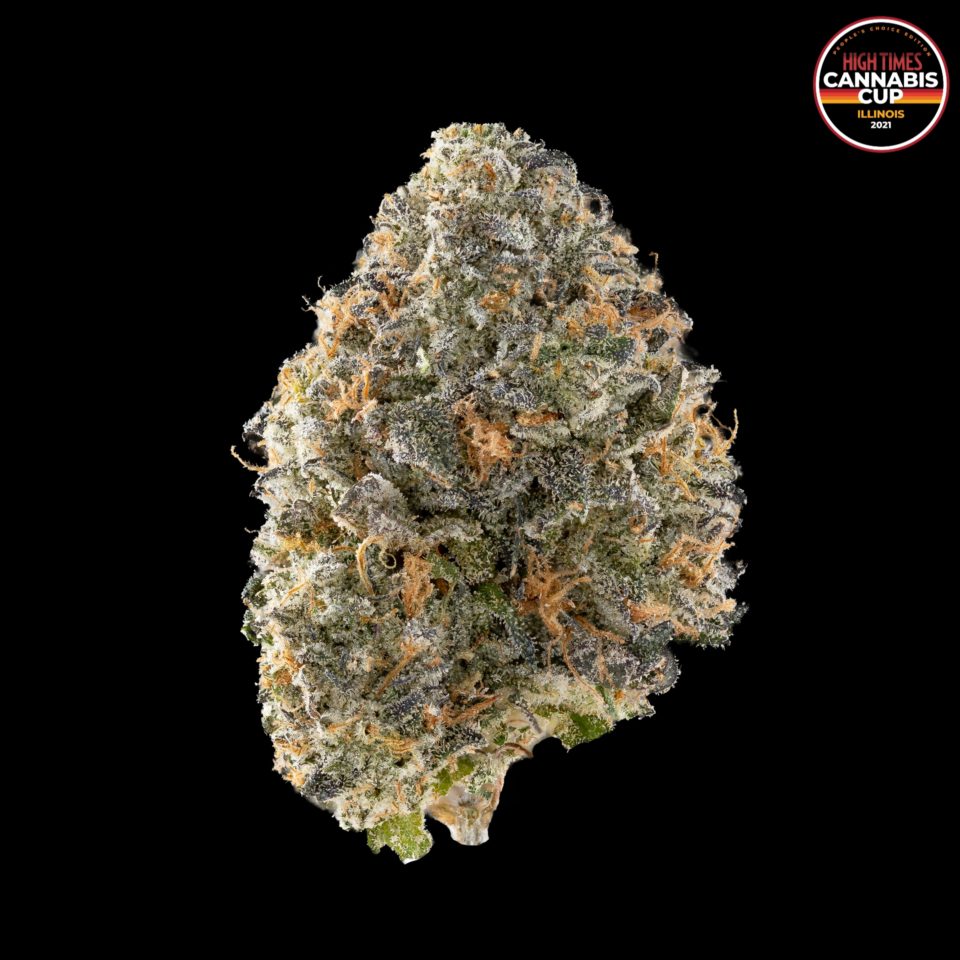
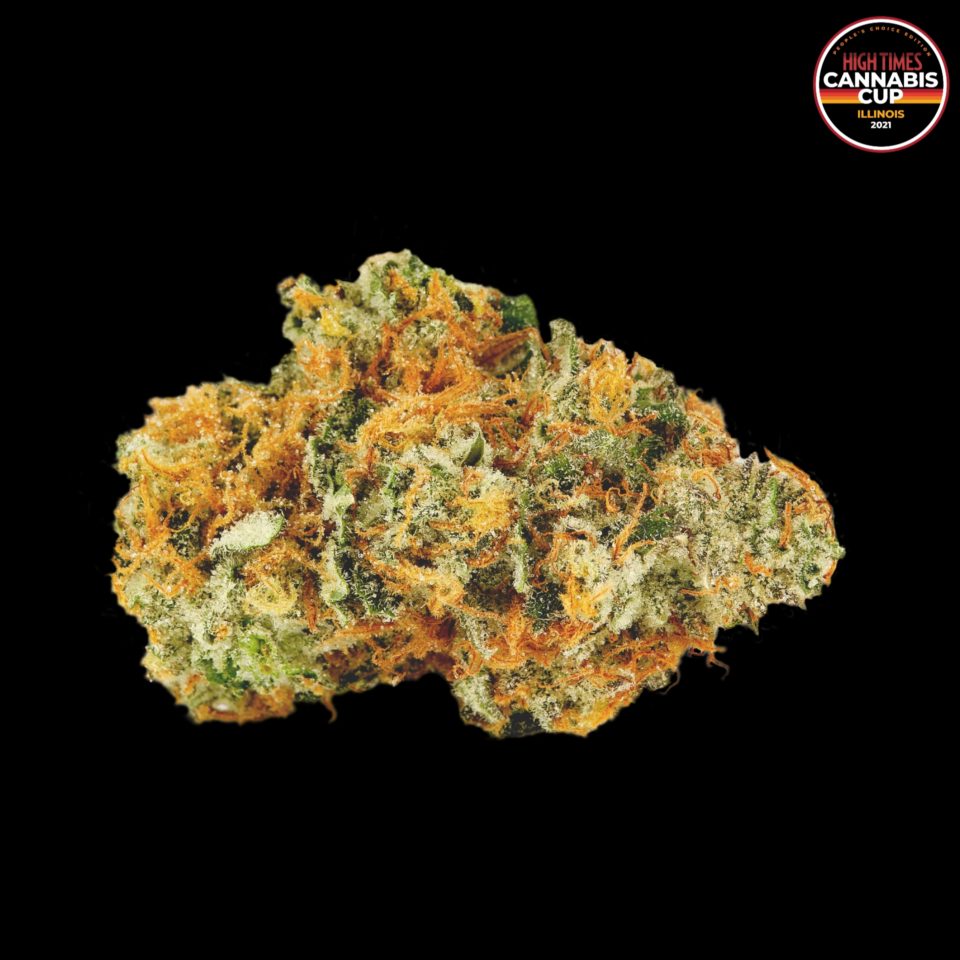
The Winners of the Cannabis Cup Illinois: People’s Choice Edition

It’s time to crown the winners of the Cannabis Cup Illinois: People’s Choice Edition! Returning for the second time to Illinois for this virtual competition and awards show, we’ve put the judging power in the hands of the great people of the Prairie State. Judges from across Illinois were able to identify and choose the well-deserved winning cannabis products in a wide range of different categories, all from the comfort of their own homes.

We’d like to give a huge thank you to all the judges who put their hearts and souls into judging the competition entries to help determine the best of Illinois! This was the second-ever competition that was open to the public of Illinois, and we had the largest pool of judges in history. Thank you to our intake and retail partners, Ascend and Zen Leaf, for making this a success with us. We can’t wait to return next year!

For more info on how to become a judge and to sign up for updates, please visit CannabisCup.com/preregister.

Indica Flower

Illinois
Courtesy of Revolution Cannabis

First Place: Revolution Cannabis – Blueberry Clementine

Illinois
Courtesy of Seed & Strain

Second Place: Seed & Strain – Velvet Glove

Illinois
Courtesy of Aeriz

Third Place: Aeriz – Ice Cream Cake

Sativa Flower

Illinois
Courtesy of Revolution Cannabis

First Place: Revolution Cannabis – Mac & Cheese (Spicy Papaya Cut)

Illinois
Courtesy of Cresco

Second Place: Cresco – Lemon Bean

Illinois
Courtesy of Triple 7

Third Place: Triple 7 – Tropical Runtz

Hybrid Flower

Illinois
Courtesy of Triple 7

First Place: Triple 7 – Rainbow Runtz

Illinois
Courtesy of Revolution Cannabis

Second Place: Revolution Cannabis – Banana Runtz

Illinois
Courtesy of Aeriz

Third Place: Aeriz – Jenny Kush

Pre-Rolls

Illinois
Courtesy of NuEra

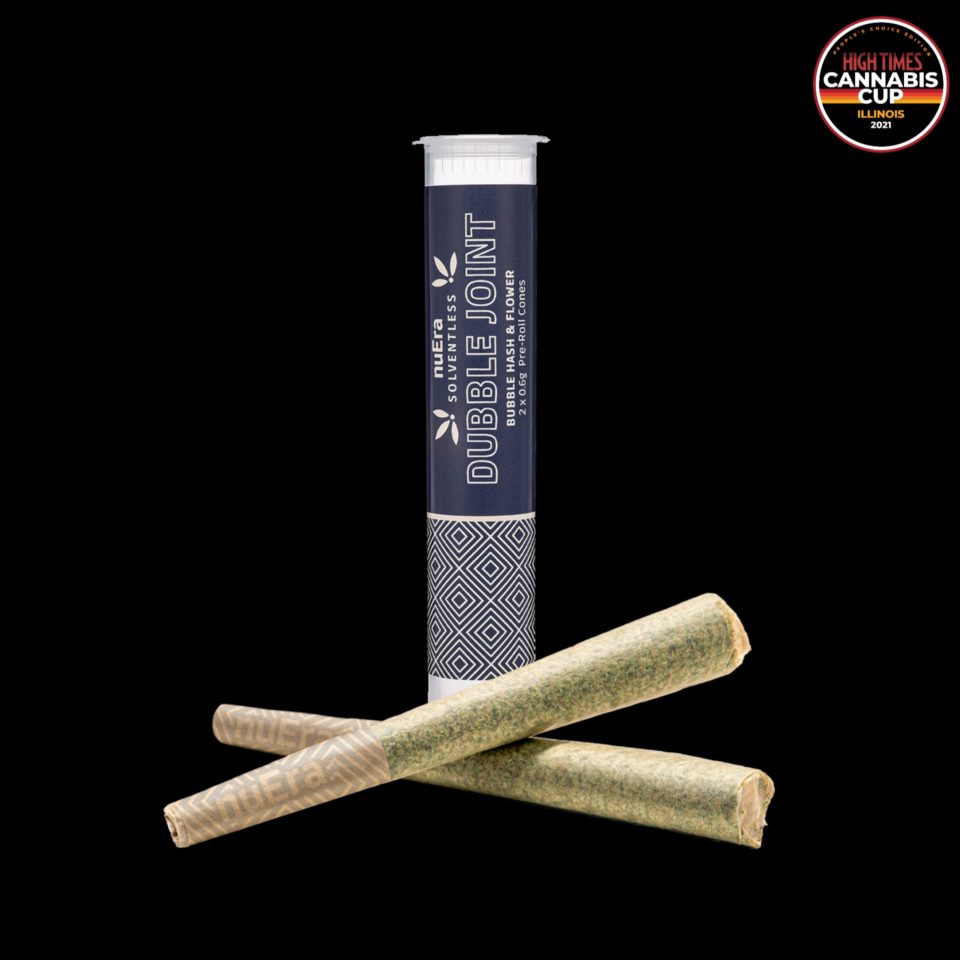
First Place: NuEra – Day Dreamz Dubble Joints

Illinoi
Courtesy of Seed & Strain

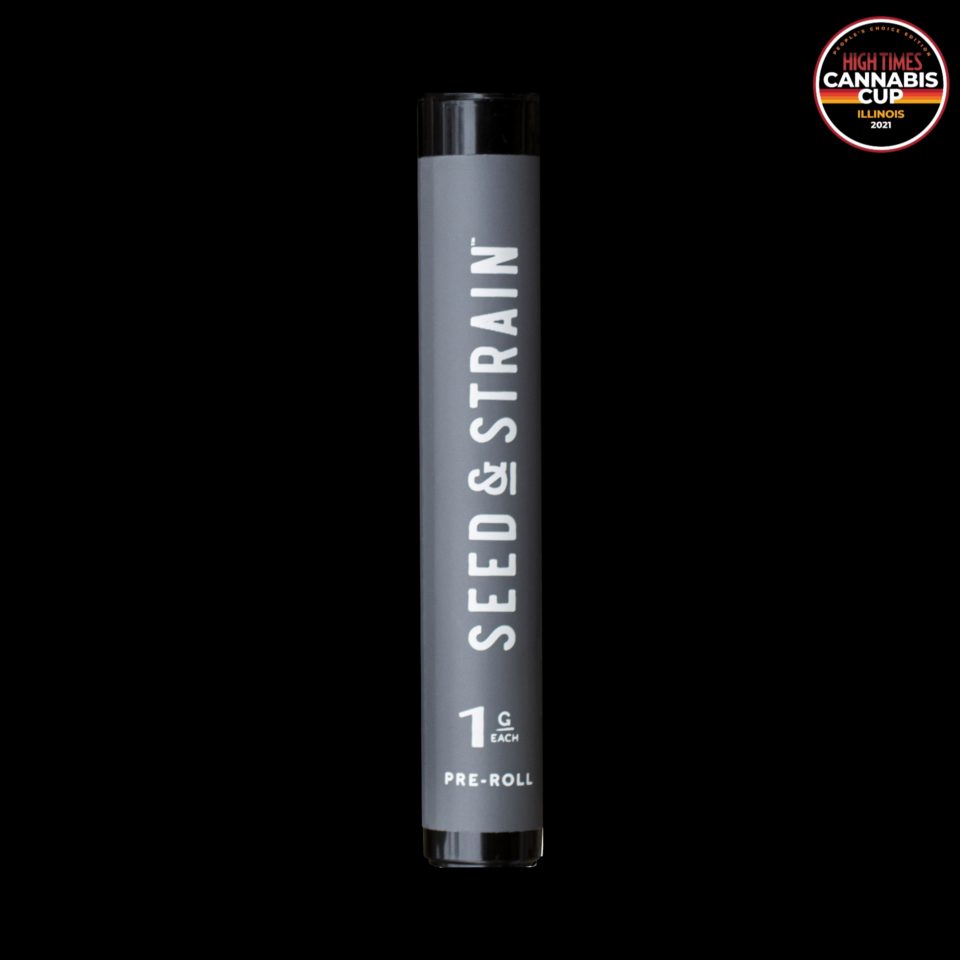
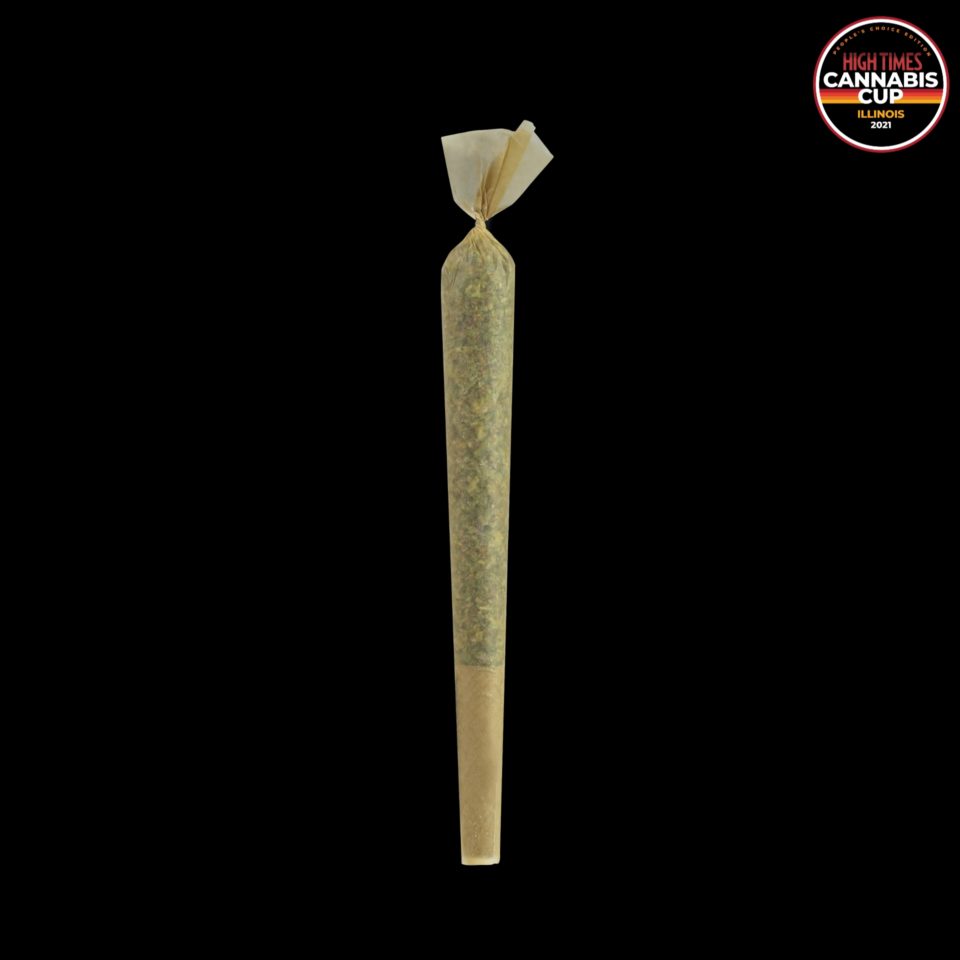
Second Place: Seed & Strain – Cherry Chem Pre-Roll

Courtesy of Aeriz

Third Place: Aeriz – Gorilla Cookies Pre-Rolls

Concentrates

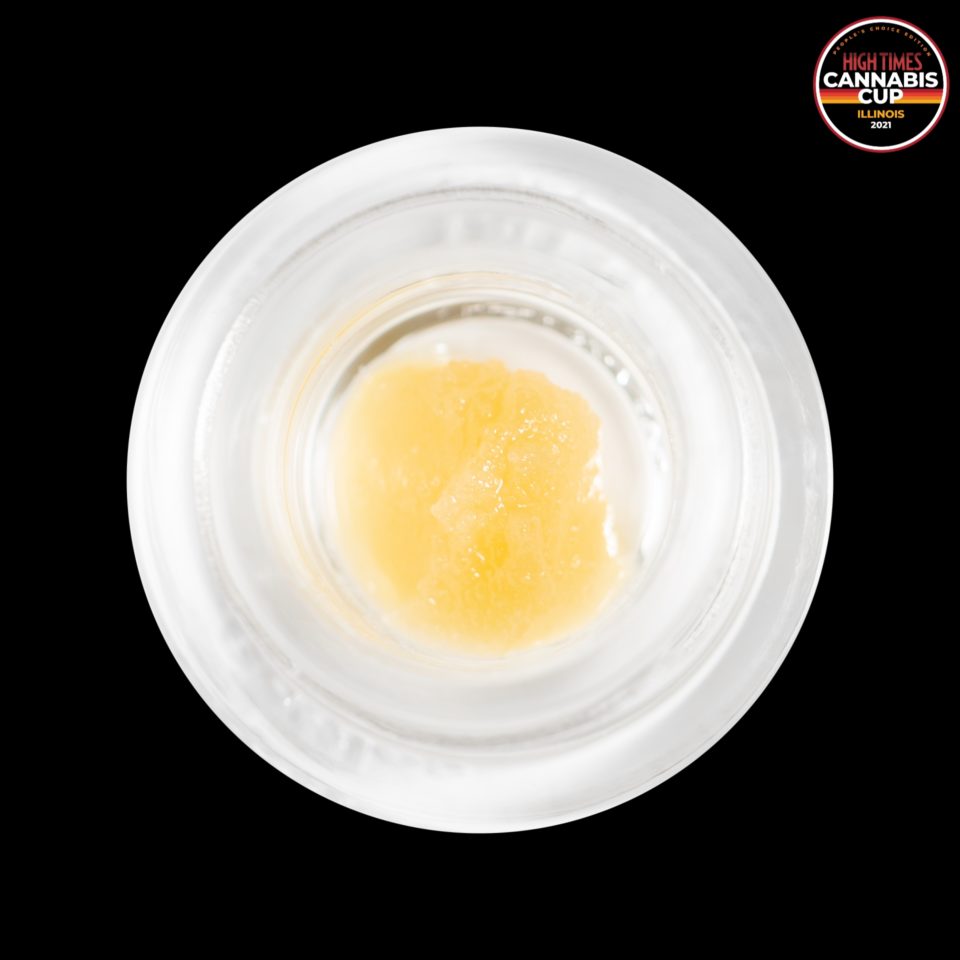
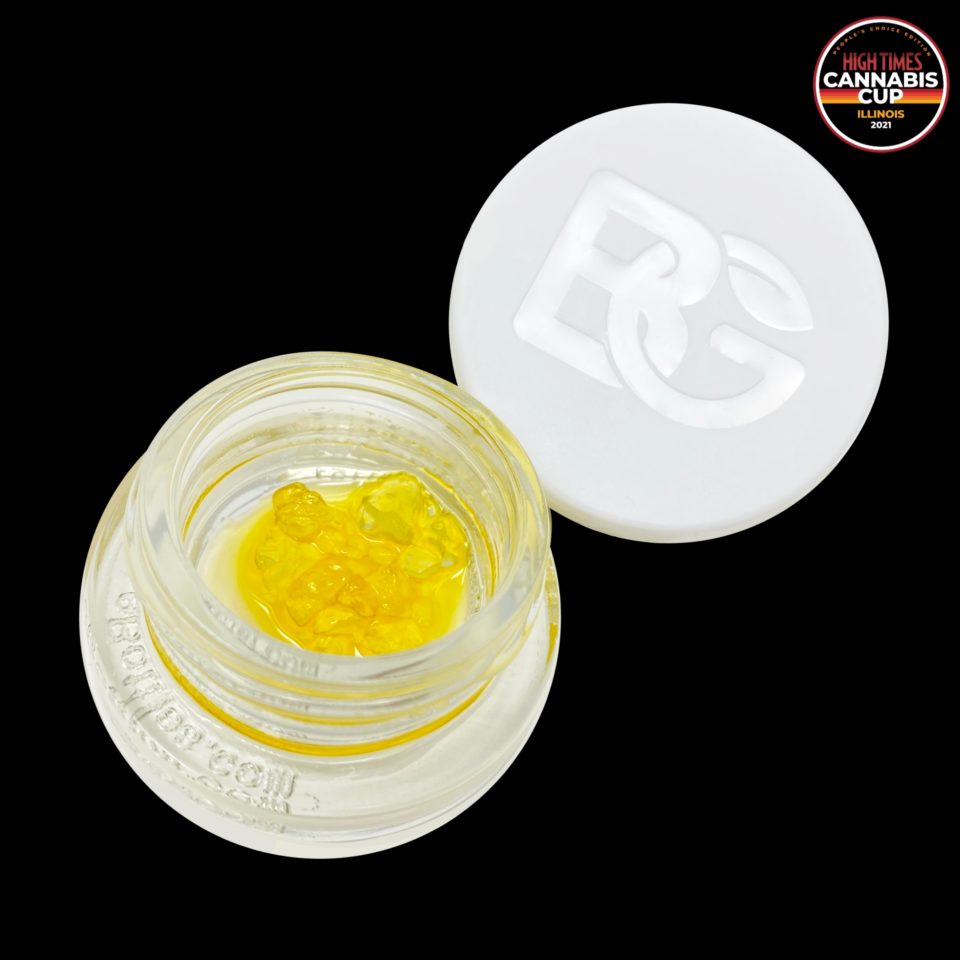
Illinois
Courtesy of Revolution Cannabis

First Place: Revolution Cannabis – Blueberry Clementine Live Resin

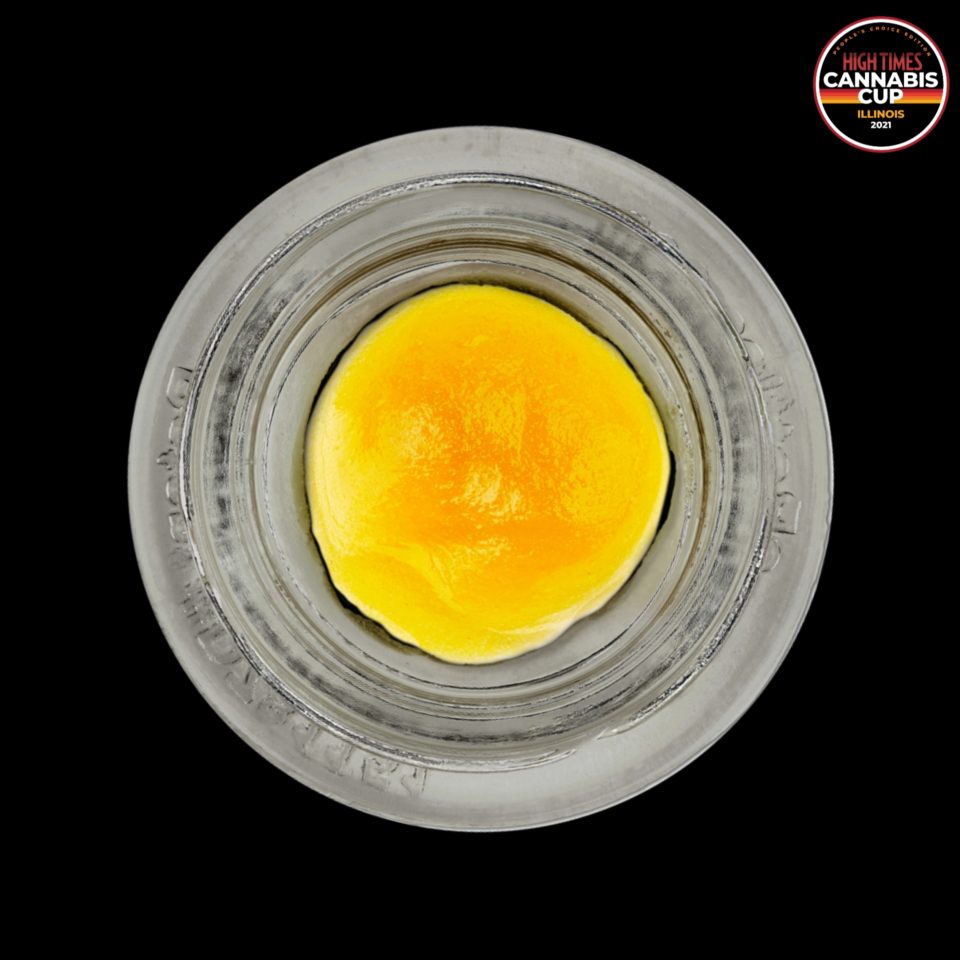
Illinois
Courtesy of Bedford Grow

Second Place: Bedford Grow – Highwayman Live Resin

Illinois
Courtesy of Aeriz

Third Place: Aeriz – Bundy OG Budder

Vape Pens

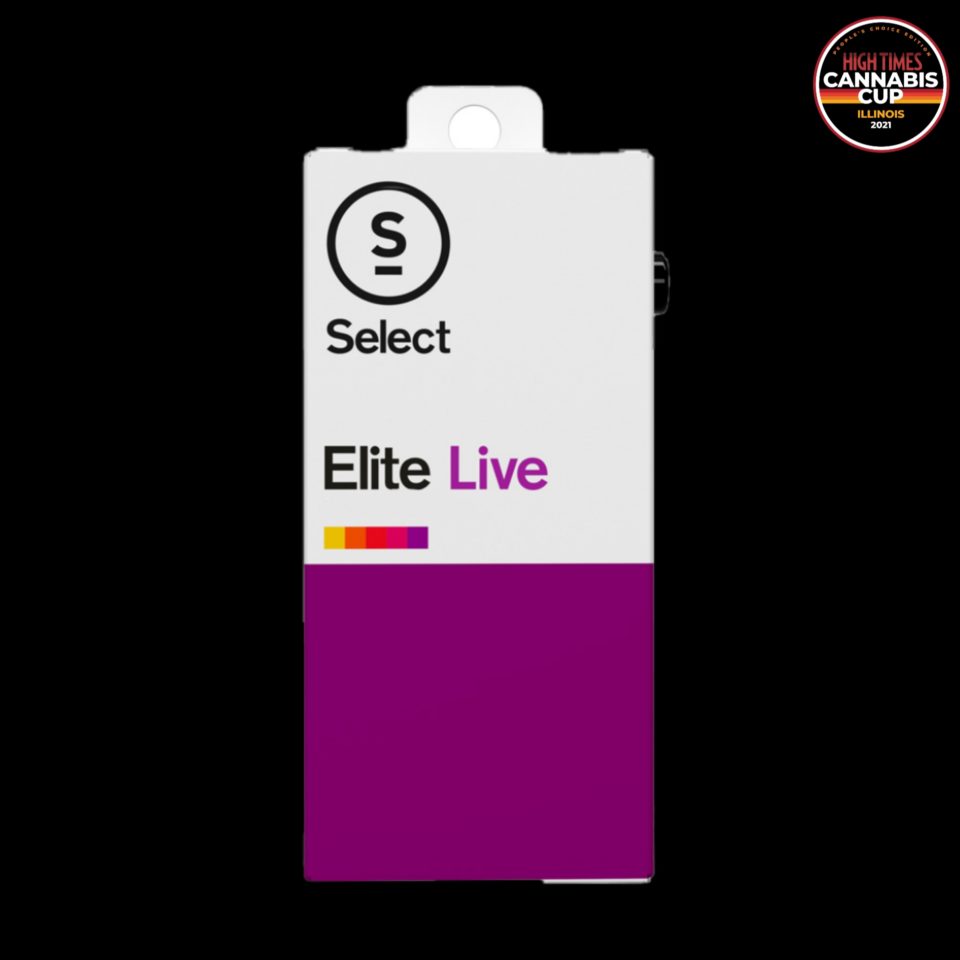
Illinois
Courtesy of Select

First Place: Select – Ray Charles Elite Live Resin Vape

Illinois
Courtesy of Revolution Cannabis

Second Place: Revolution Cannabis – Florida Orange Terp Tank

Illinois
Courtesy of Ozone

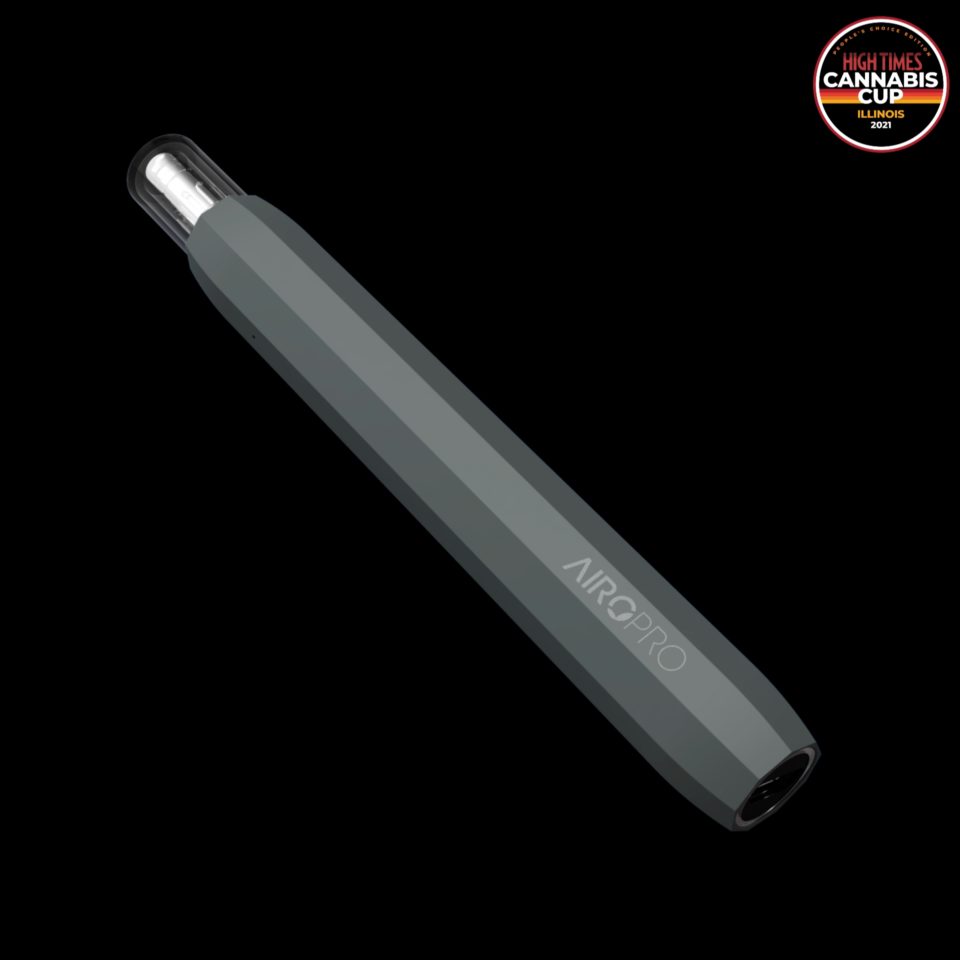
Third Place: Ozone – Larry Bird Live Resin Airo Pod Vape

Edibles: Gummies

Illinois
Courtesy of Bedford Grow

First Place: Bedford Grow – Strawberry Lemonade Gems

Illinois
Courtesy of Sweet Releaf

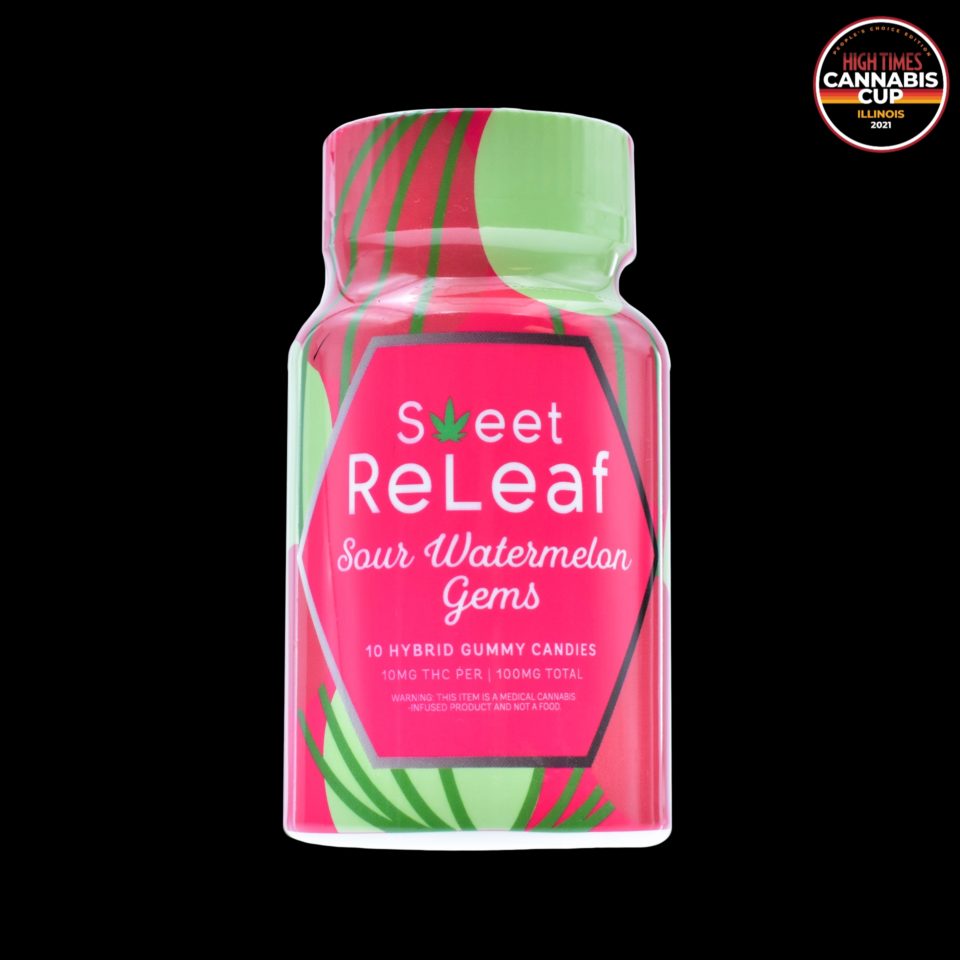
Second Place: Sweet Releaf – Sour Watermelon Gems

Illinois
Courtesy of Revolution Cannabis

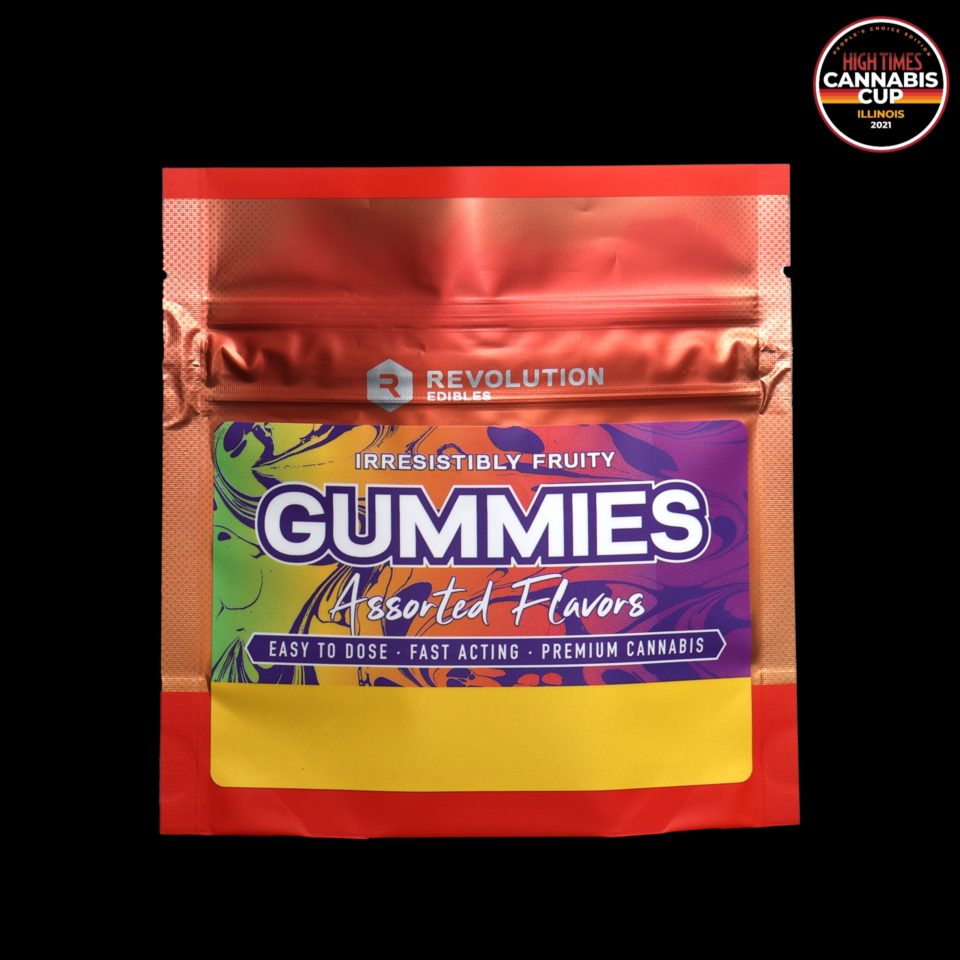
Third Place: Revolution Cannabis – Assorted Indica Gummies

Edibles: Non-Gummies

Courtesy of Bedford Grow

First Place: Bedford Grow – Caramels

Courtesy of Bhang

Second Place: Bhang – Cookies and Cream Chocolate Bar

Courtesy of Revolution Cannabis

Third Place: Revolution Cannabis – Spring Lake Lemonade Surp

The post The Winners of the Cannabis Cup Illinois: People’s Choice Edition appeared first on High Times.


from News – High Times https://ift.tt/3lEmV4L
via IFTTT

Hemp Companies Face Latest Round of ADA Complaints

Last year, I wrote that business owners need to be aware of a growing trend of federal class action lawsuits claiming business websites and point-of-sale terminals violate Title III of the Americans with Disabilities Act (the “ADA”). At this point, having a website that makes sales and isn’t broadly accessible is an invitation to be sued.

As a refresher, the ADA requires all businesses to remove any obstacle that interferes with a disabled person’s ability to access their products or services online – and under the ADA:

“a business may have discriminated against handicapped individuals when they construct and maintain quote on quote architectural barriers which prevent disabled people from enjoying the business as any other person.”

Earlier this week, Prospect Farms Hemp Sales LLC and Highline Wellness Inc. were each named in separate federal court complaints filed by Rasheta Bunting, who is legally blind. The complaints allege in sum:

“Plaintiff brings this civil rights action against Prospect Farms for their failure to design, construct, maintain, and operate their website to be fully accessible to and independently usable by Plaintiff and other blind or visually-impaired persons. Defendant is denying blind and visually-impaired persons throughout the United States with equal access to the goods and services Prospect Farms provides to their non-disabled customers through http//:www.Prospectfarms.com (hereinafter “Prospectfarms.com” or “the website”). Defendants’ denial of full and equal access to its website, and therefore denial of its products and services offered, and in conjunction with its physical locations, is a violation of Plaintiff’s rights under the Americans with Disabilities Act (the “ADA”).”

Specifically, the complaints allege that the companies’ websites “contain[] thousands of access barriers that make it difficult if not impossible for blind and visually-impaired customers to use the website.” She indicates – “The blind have an even greater need than the sighted to shop and conduct transactions online due to the challenges faced in mobility.”

These lawsuits have typically been brought by groups of visually-impaired consumers who claim that a certain website fails to accommodate their disability – and now, whether by valid plaintiffs or not, it seems like this industry is indeed their next target. If a claim is successful, the defendant can be required to perform certain actions, which necessarily includes things like incurring the cost of redesigning its website or point-of-sale system to comply, and pay the plaintiff’s attorneys’ fees and costs. All in all, these lawsuits also can become very costly, very fast.

Ultimately, it really is important to get out ahead of all this and make sure that your business is staying apprised of ADA requires and maintaining practices to ensure their systems are updated. Compliance is key here. And, if your business does find itself on the receiving end of a demand letter or complaint, the allegations should be taken seriously and dealt with quickly.

The post Hemp Companies Face Latest Round of ADA Complaints appeared first on Harris Bricken.


from Canna Law Blog – Harris Bricken https://ift.tt/3EB9072
via IFTTT

Cannabis prices: Are we in a race to the bottom?

In 2021, product prices plummeted in hopes of competing with the illicit cannabis market. But at what cost?

The post Cannabis prices: Are we in a race to the bottom? appeared first on Leafly.


from Leafly https://ift.tt/3lZvO9h
via IFTTT

Sunday, December 5, 2021

Can We All Cool It with the Cannabis Puns Please?

I recently received a random marketing email in which I was greeted with the word “high” in place of the word “hi”. My first reaction was a long, visceral cringe. My second was the thought, “hey, if I – just a lowly cannabis industry lawyer and not an actual cannabis industry stakeholder – am so off-put by this cannabis pun, imagine what actual people in the cannabis industry would think!” Today, I’m not going to analyze any complex cannabis law or policy issue, but instead talk about one of my biggest pet peeves (bad cannabis puns!), and I’m going to beg everyone to quit it already. Please!

If you talk to anyone in the cannabis industry who has been doing it for a while and/or who is very successful, you’ll see that they rarely, if ever, use cannabis puns. To them, the industry is a way of life, a career. It is not a punchline or something to downplay or trivialize. Many of these folks feel suspicious of the sudden influx of people into the industry who, just a few years ago, may have been against cannabis and/or are now trying to capitalize on the “green rush” and make a quick buck.

Yet, it’s hard to be in this industry at all and not be barraged with a constant onslaught of really lame puns, all of the time. In fact, many people just sort of tune it out. For the industry vets and pros I described above, this kind of stuff can often be a big tell of something to avoid. So with all this in mind, it begs the question: why is this still happening?

It goes without saying that cannabis has only relatively recently started to emerge from under the rock of complete illegality and stigma (it’s still getting out). There are still a lot of folks who still look at cannabis as something that stoner hippies on Dead tour or lazy millennials use. I can’t tell you how many times I’ve met with folks (and this comes up a LOT with lawyers who don’t actually practice much in the field) who, when they learn I practice in this space, will laugh and ask whether I am high right now, or get a contact high, or whether my clients give me “doobies”, or something silly like that. These people are no longer in junior high!

The puns are just an extension of this sort of trivialization. I see this a lot in academic writing, law/accounting/business blogs and articles, and even news media posts. A state agency issues guidance on an unclear rule – boom, legal blog called “clearing the smoke” is published. A court strikes down a cannabis law – an article called “up in smoke”. A cannabis company wins a cannabis dispute – something is written with some clever take on the word “relief”. You get the picture.

This stuff seems pretty bland and lame and like it doesn’t really actively harm anything. And it goes without saying that most of us who work in or around the industry in some capacity have made silly puns at one point or another in our careers. But the point of using puns is – I at least assume – to be funny. You rarely see businesses in serious, established industries using puns all the time. There just seems to be this weird exception with the cannabis industry for some folks.

Words have meaning. If the industry wants to be taken seriously, if it wants to stop hearing the silly laughs and the doobie jokes, it has to seriously consider whether it’s worthwhile to continue making the written equivalent of lame dad jokes at every opportunity. We absolutely can – and should – write about cannabis in the exact same way we would write about any other consumer product or service. It is totally doable, I promise!

If the industry wants to be considered legitimate by folks who presently don’t think it is, we have to take ourselves just as seriously. This is a very easy first step towards doing that. So I ask all of my readers, the next time you are tempted to make a silly cannabis pun, don’t make it!

The post Can We All Cool It with the Cannabis Puns Please? appeared first on Harris Bricken.


from Canna Law Blog – Harris Bricken https://ift.tt/3rKLiBk
via IFTTT

Saturday, December 4, 2021

Mailing Hemp Cannabinoid Products in the U.S.

Now that the holiday season is upon us, hemp-derived cannabinoid (Hemp Cannabinoid) companies are getting busy selling and shipping their products to consumers throughout the country. In addition to limiting the sale and distribution of their products to jurisdictions where these products are expressly allowed and regulated, Hemp Cannabinoid companies should also familiarize themselves with and ensure compliance with their carriers’ guidelines.

This post provides a brief overview of the policies adopted by the three major U.S carriers, the United States Postal Service (USPS), UPS, and FedEx, and only addresses the mailing of finished Hemp Cannabinoid products intended for human consumption to end use consumers.

USPS Guidelines

USPS authorizes the mailing of packages containing Hemp Cannabinoid finished products, except that of electronic vaping devices, provided certain conditions are met. These conditions are set forth in the USPS’ Postal Bulletin 22579 dated August 26, 2021 (the USPS Guidance) and provide that the mailer must ensure that:

  1. THC Threshold: Th products meet the 0.3% total THC threshold – note that the USPS guidance erroneously states that the THC concentration is not to exceed a “.03 percent limit”;
  2. Laws and Regulations: The hemp infused to the finished products was lawfully produced, processed, distributed, and sold under all applicable federal, state, and local laws;
  3. Domestic: The products are mailed domestically only. The USPS Guidance expressly prohibits international mailing, including items for delivery to overseas military and diplomatic Post Office addresses; and
  4. Recordkeeping: The sender retains records showing compliance with said laws, such as corresponding certificates of analysis from an accredited laboratory and copies of producer and processor licenses, for no less than a period of three years following the mailing date. While this documentation need not be enclosed to the shipment, it may be requested by the USPS at the time of mailing or at a later time if any question were to arise regarding the legality, and thus, mailability of the products, or concerning the recipient’s ability to lawfully receive the package.

UPS Guidelines

The USP guidelines provide that:

UPS accepts products made from hemp (including Cannabidiol – CBD) for shipment only as permitted by all applicable state and federal laws. It is the responsibility of the shipper to ensure compliance with all such laws, including the Food, Drug & Cosmetic Act, 21 U.S.C. §321, et seq.

Similarly to USPS, UPS strictly prohibits international shipment of Hemp Cannabinoid finished products as well as the domestic shipment of Hemp Cannabinoid liquid products intended for vaporization, like e-cigarette devices and e-gels. This ban on vaping products applies regardless of nicotine content and even if the shipper or consignee is permitted to ship and receive vaping products under applicable laws or regulations.

It is also worth pointing out that the private carrier’s guidelines mention that UPS will not accept shipment containing Hemp Cannabinoid finished products from any location that sells marijuana or marijuana products.

FedEx Guidelines

Like its competitors, FedEx allows the shipment of Hemp Cannabinoid finished products that contain no more than 0.3% total THC. Although FedEx does not expressly mandate that shippers ensure the products meet all applicable federal, state, and local laws or that they maintain records, the private carrier’s guidelines contain a list of prohibited shipments. Banned products/substances include:

  1. Marijuana, as defined by U.S. federal law, 21 U.S.C. 802(16), including marijuana intended for recreational or medicinal use and marijuana-derived cannabidiol (CBD);
  2. Any product with a delta-9-tetrahydrocannabinol (THC) concentration of more than 0.3 percent on a dry weight basis, except as set out in 21 CFR 1308.35; and
  3. Synthetic cannabinoids.

In sum, Hemp Cannabinoid companies should not ignore these carriers’ guidelines, which overall, are fairly simple to follow and can help reduce the risk of enforcement actions. This should help ensure that the next few weeks really are the most wonderful time of the year.

The post Mailing Hemp Cannabinoid Products in the U.S. appeared first on Harris Bricken.


from Canna Law Blog – Harris Bricken https://ift.tt/32TxFpb
via IFTTT